St. Augustine and the Castillo de San Marcos
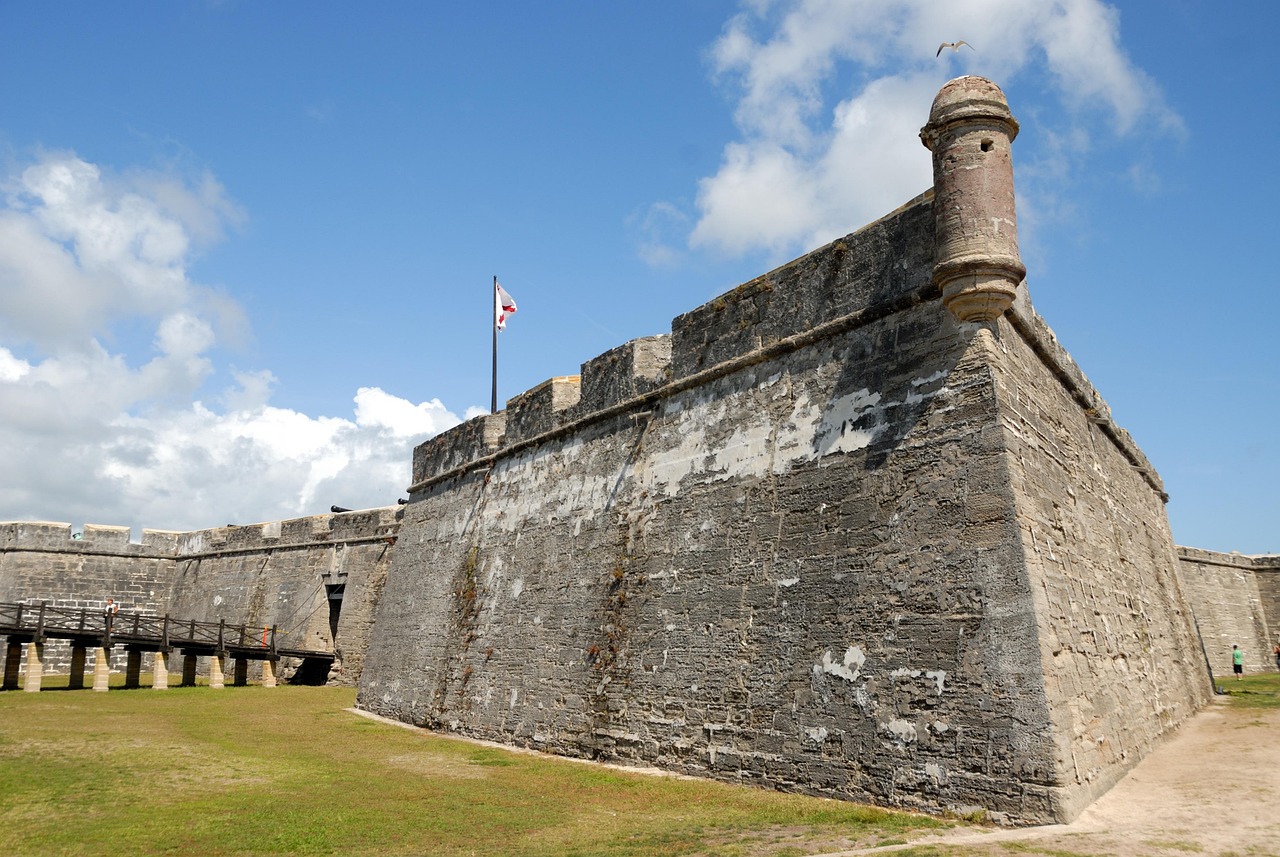
St. Augustine is a small, sunny city on the northeast coast of Florida, and it is the oldest city in the United States that was founded by Europeans, started by Spanish settlers in the year 1565. At its heart stands the Castillo de San Marcos, a huge, star-shaped stone fort that Spanish soldiers built long ago to guard the town and its harbor.
People love St. Augustine because walking through it feels like stepping back in time, with narrow cobblestone streets, old Spanish buildings, horse-drawn carriages, and the mighty fort right by the water. It is famous for the Castillo de San Marcos, whose walls are made of a special seashell rock called coquina that was so soft it could soak up cannonballs instead of shattering, which helped it survive many attacks.
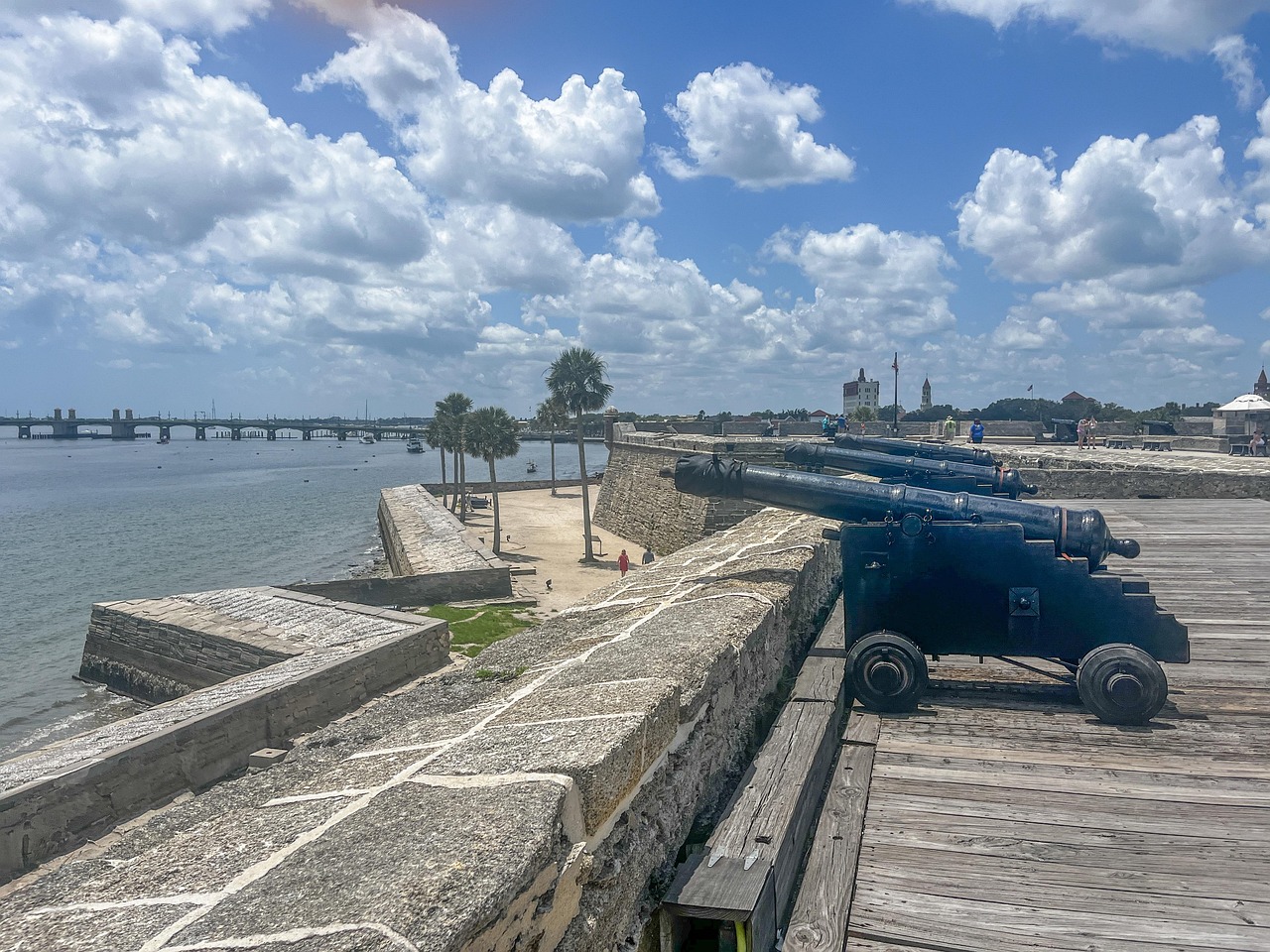
The Old Fort
The Castillo de San Marcos is a star-shaped fort with four pointed corners called bastions, so soldiers could watch and defend every direction. It took about 23 years to build, from 1672 to 1695, and it has never been captured by an enemy in battle. Today you can walk on its top deck, peek out through cannon openings, and see real cannons pointing out to sea.
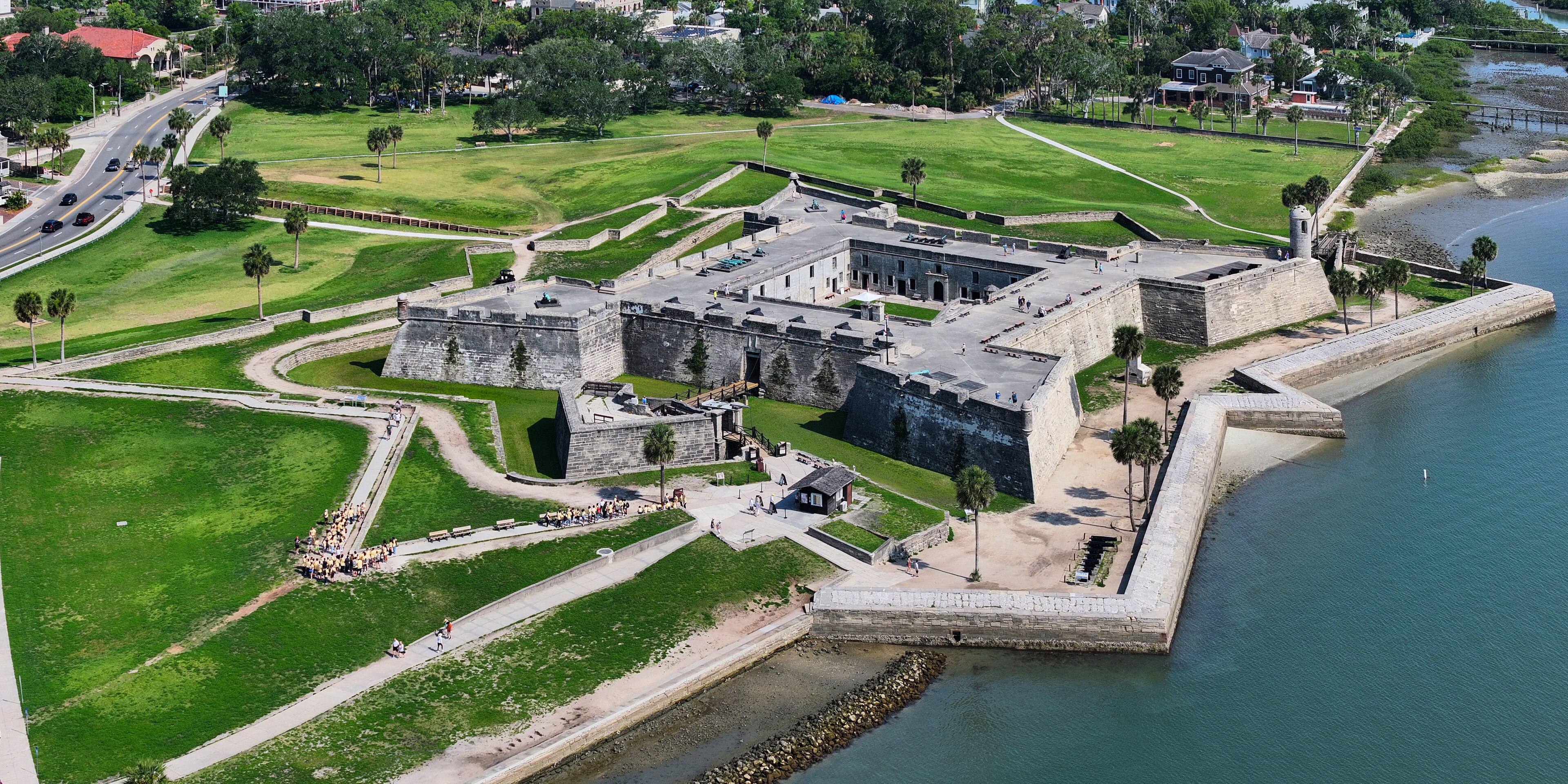
Coquina Stone Walls
The fort's thick walls are built from coquina, a soft stone made of billions of tiny seashells squeezed together over thousands of years. When cannonballs hit the walls, the coquina would swallow them up like a sponge instead of cracking apart. The coquina was dug from nearby Anastasia Island and floated across the water to the building site.
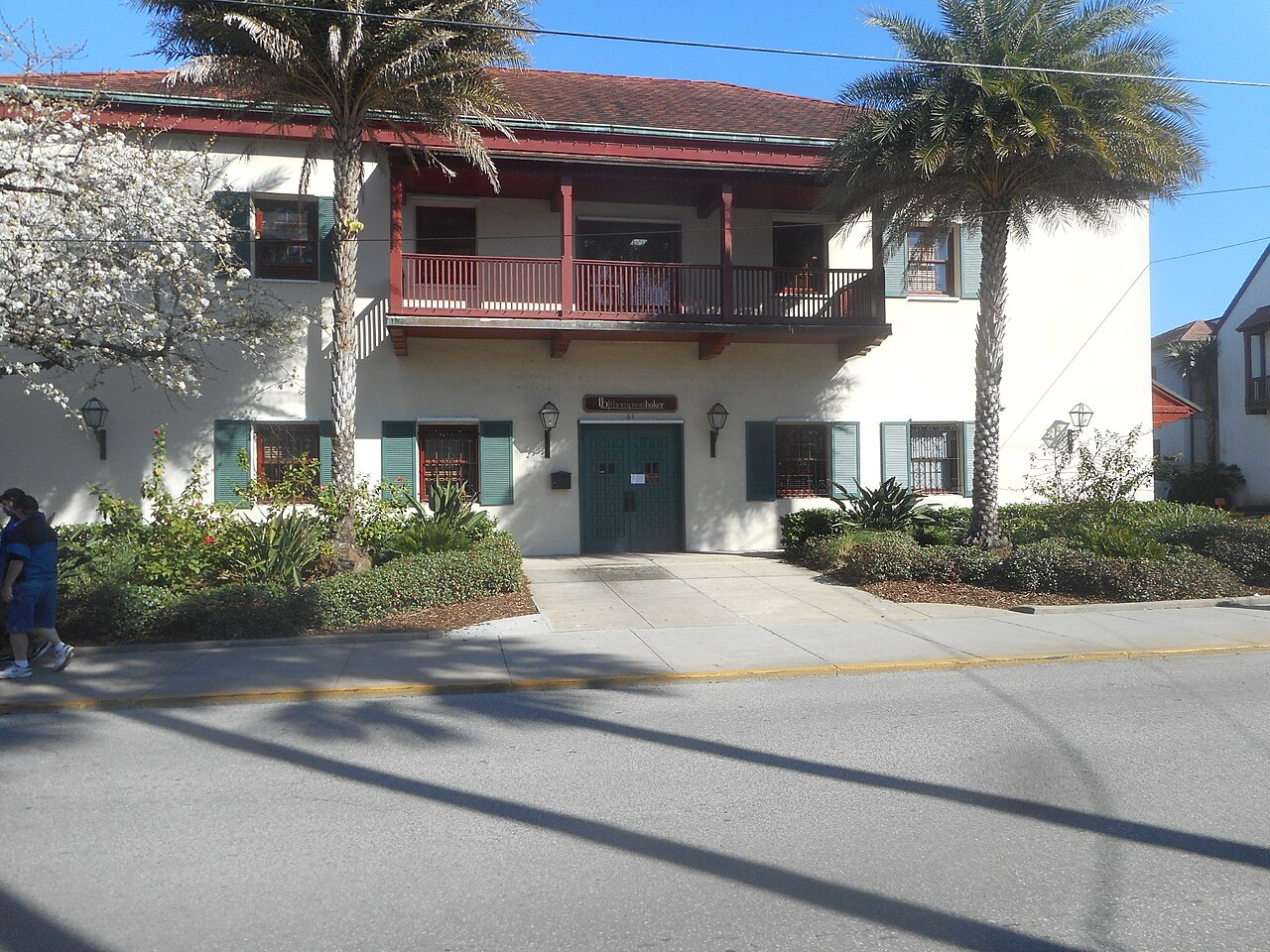
Spanish History
St. Augustine was founded on September 8, 1565, by the Spanish admiral Pedro Menendez de Aviles, more than 50 years before the Pilgrims landed at Plymouth Rock. For hundreds of years the Spanish flag flew over the town, and the streets, food, and buildings still carry that Spanish flavor today. Over time the city was also ruled by Britain and finally became part of the United States.
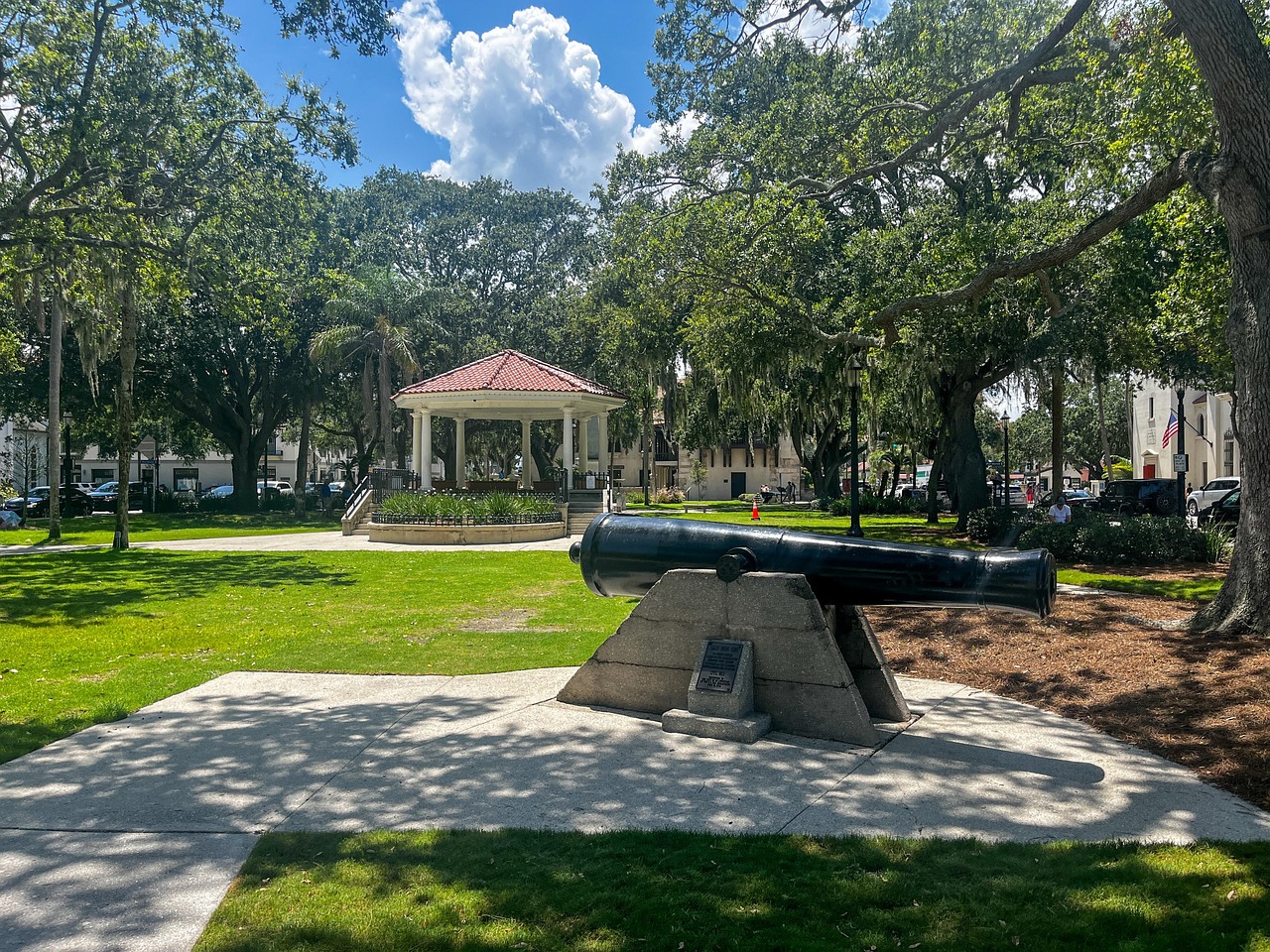
Cannon Firing Shows
On many weekends, park rangers dressed as Spanish soldiers put on live cannon-firing demonstrations at the fort. They wear real costumes, load a historic cannon, and fire it with a loud boom and a puff of smoke while explaining how the soldiers lived and fought. It is a favorite moment for kids, who can cover their ears and watch history come to life.
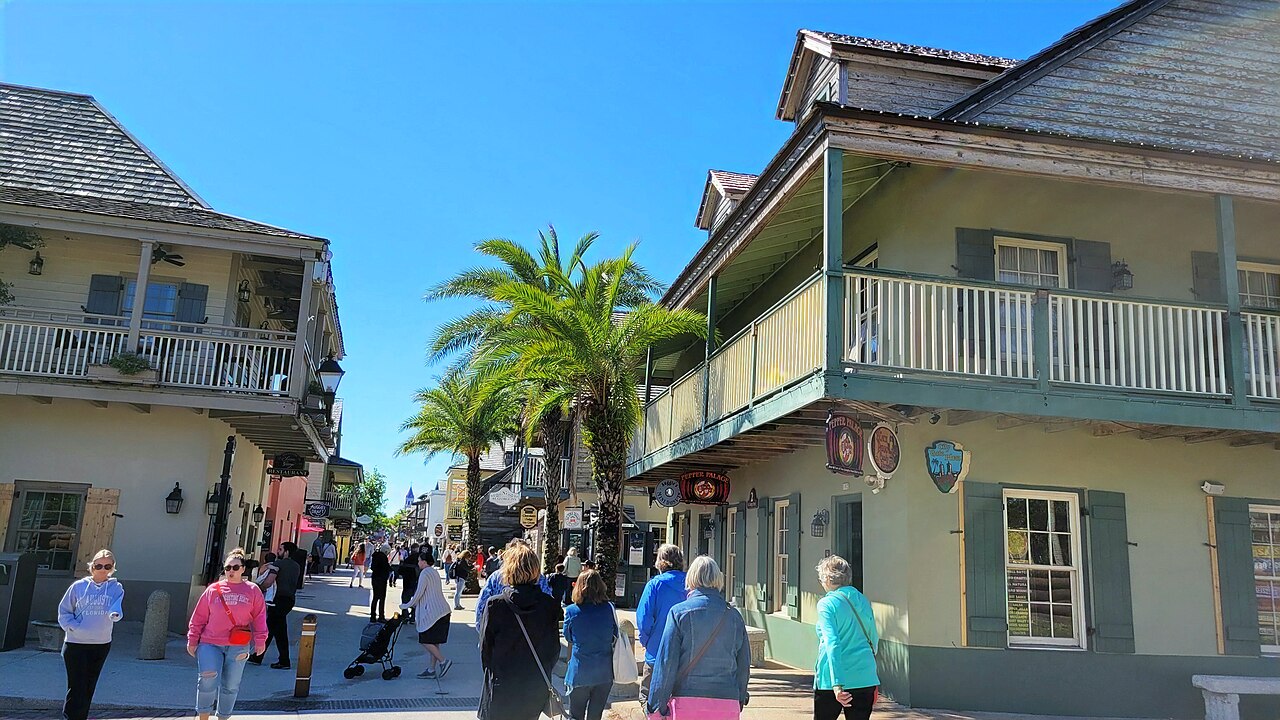
Cobblestone Streets
The old part of St. Augustine has narrow, walking-only streets like St. George Street, lined with tiny shops, ice cream stands, and centuries-old houses. There are no cars here, so families can stroll safely past street musicians and colorful buildings. You can even visit the Oldest Wooden School House and see what classrooms looked like long ago.
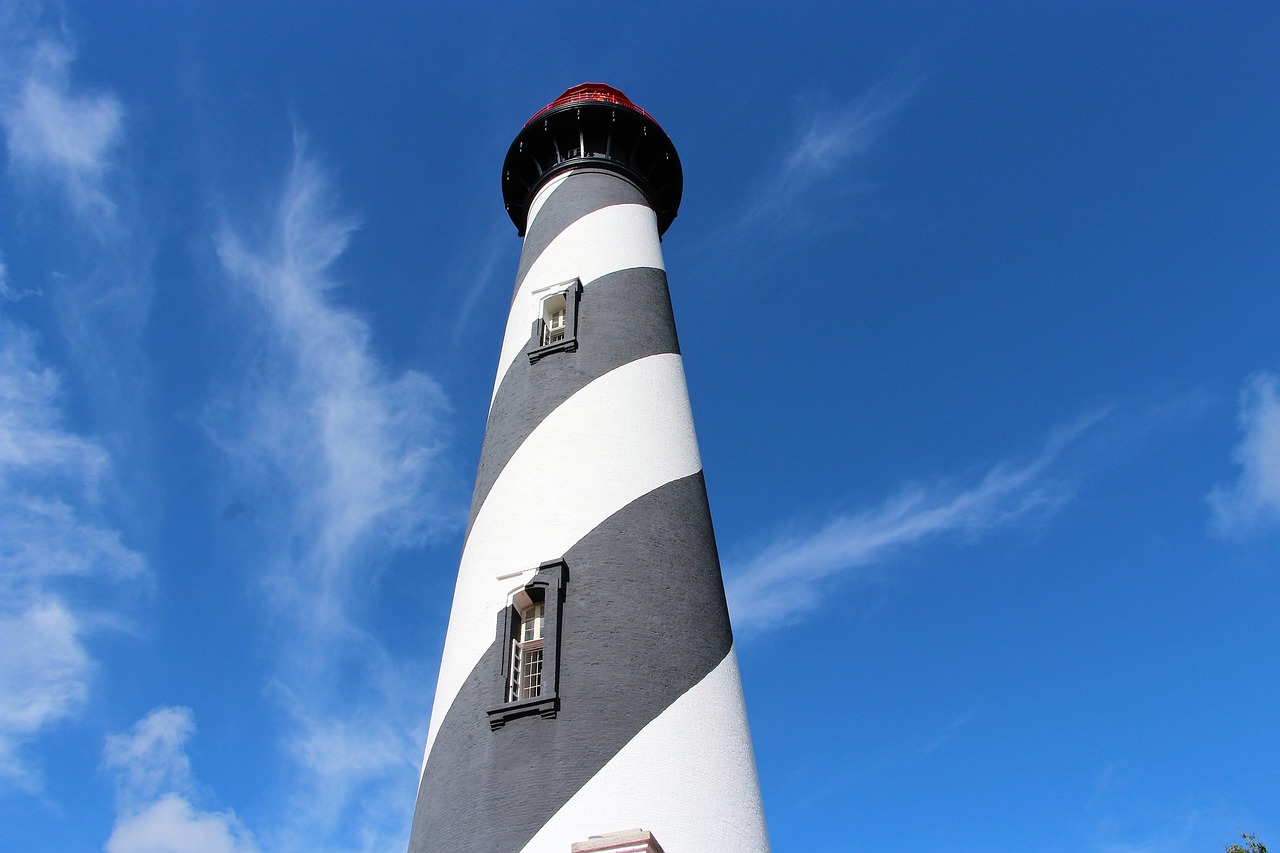
Beaches and Lighthouse
Just a short trip from the fort are wide sandy beaches where you can swim in the warm Atlantic Ocean, hunt for seashells, and watch pelicans dive for fish. Nearby stands the tall black-and-white striped St. Augustine Lighthouse, which you can climb up 219 steps to enjoy a sweeping view of the coast. The warm, sunny weather makes it a great place to visit almost any time of year.
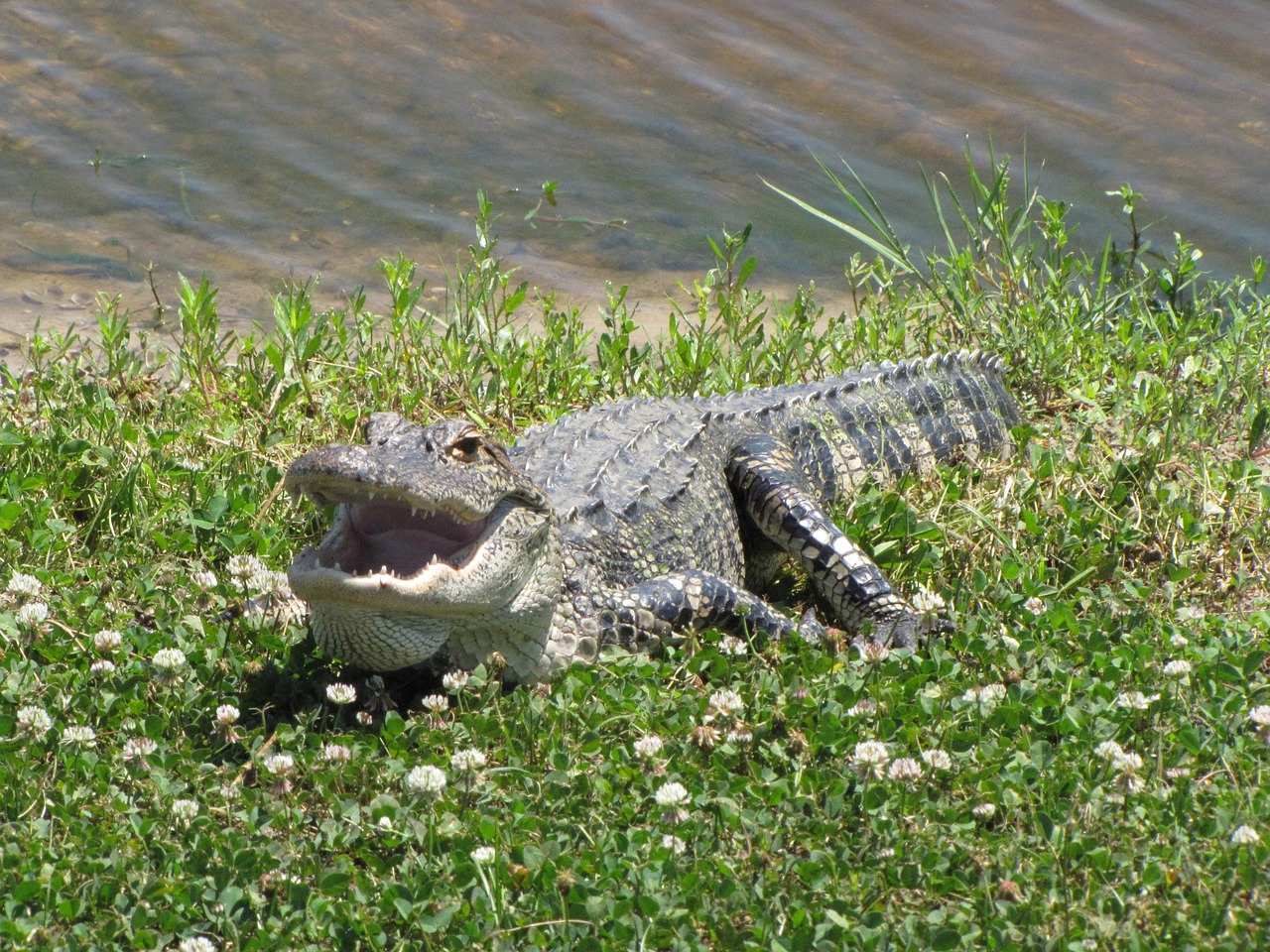
Alligators and Wildlife
St. Augustine is home to the famous Alligator Farm Zoological Park, where you can safely see hundreds of alligators and even giant crocodiles from raised boardwalks. Around the fort and marshes you can also spot wading birds, dolphins playing in the bay, and pelicans gliding over the water. It is a wonderful place for young animal lovers to learn about Florida's amazing creatures.