Everglades National Park
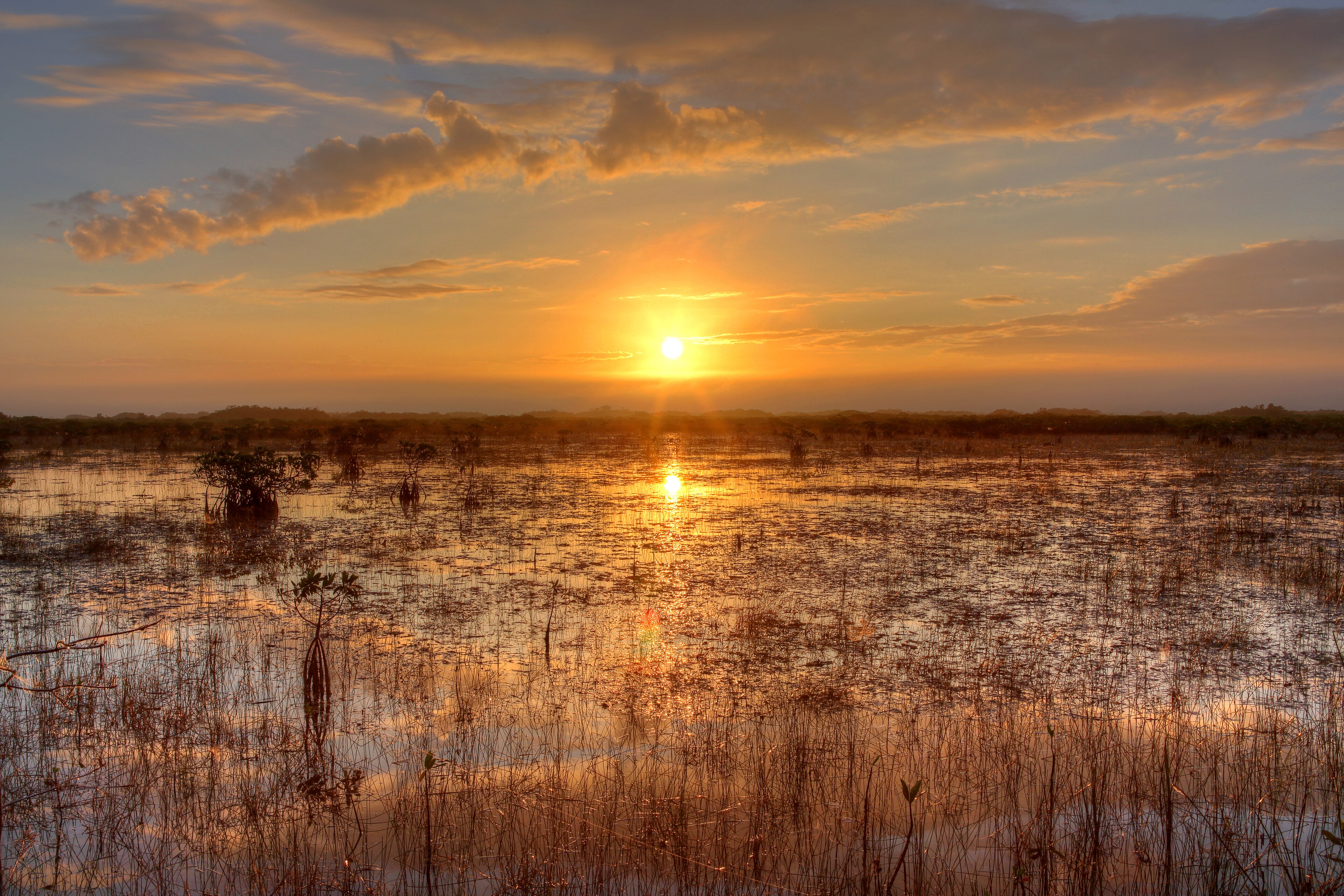
Everglades National Park is a huge wetland wilderness at the southern tip of Florida, covering about 1.5 million acres of slow-moving water, sawgrass marshes, and mangrove forests. It is the largest tropical wilderness in the United States and is often called a "River of Grass" because a shallow river flows across it very slowly toward the sea.
The Everglades is famous as the only place on Earth where alligators and crocodiles live side by side, and it is loved for its amazing wildlife, from wading pink birds to shy manatees. Families come to ride airboats, walk on boardwalks over the marsh, and spot animals in one of the most special wild places in America, protected as a World Heritage Site.
The Landscape
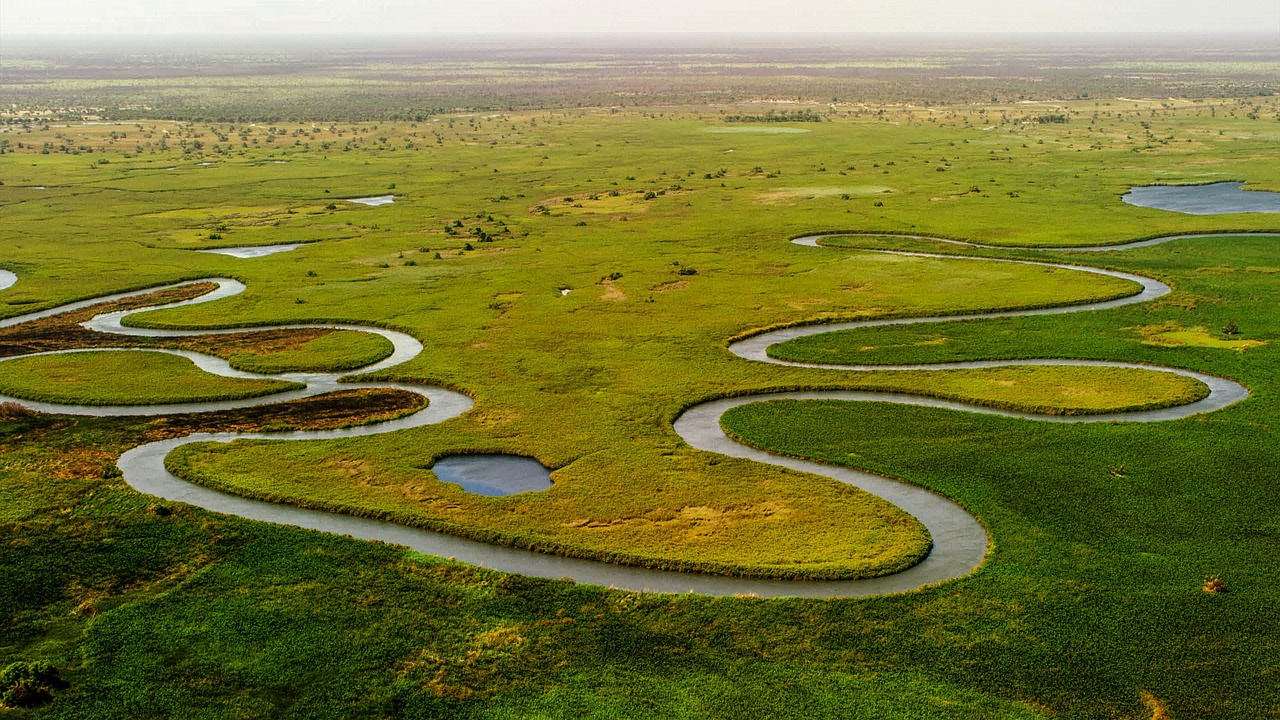
The Everglades is a wide, flat wetland where a slow, shallow river of fresh water spreads across miles of golden sawgrass. Along the coast, the fresh water meets the sea and grows into tangled mangrove forests, while raised tree islands called hammocks dot the marsh. This mix of water, grass, and trees makes the park look like an endless sea of grass.
Alligators and Crocodiles
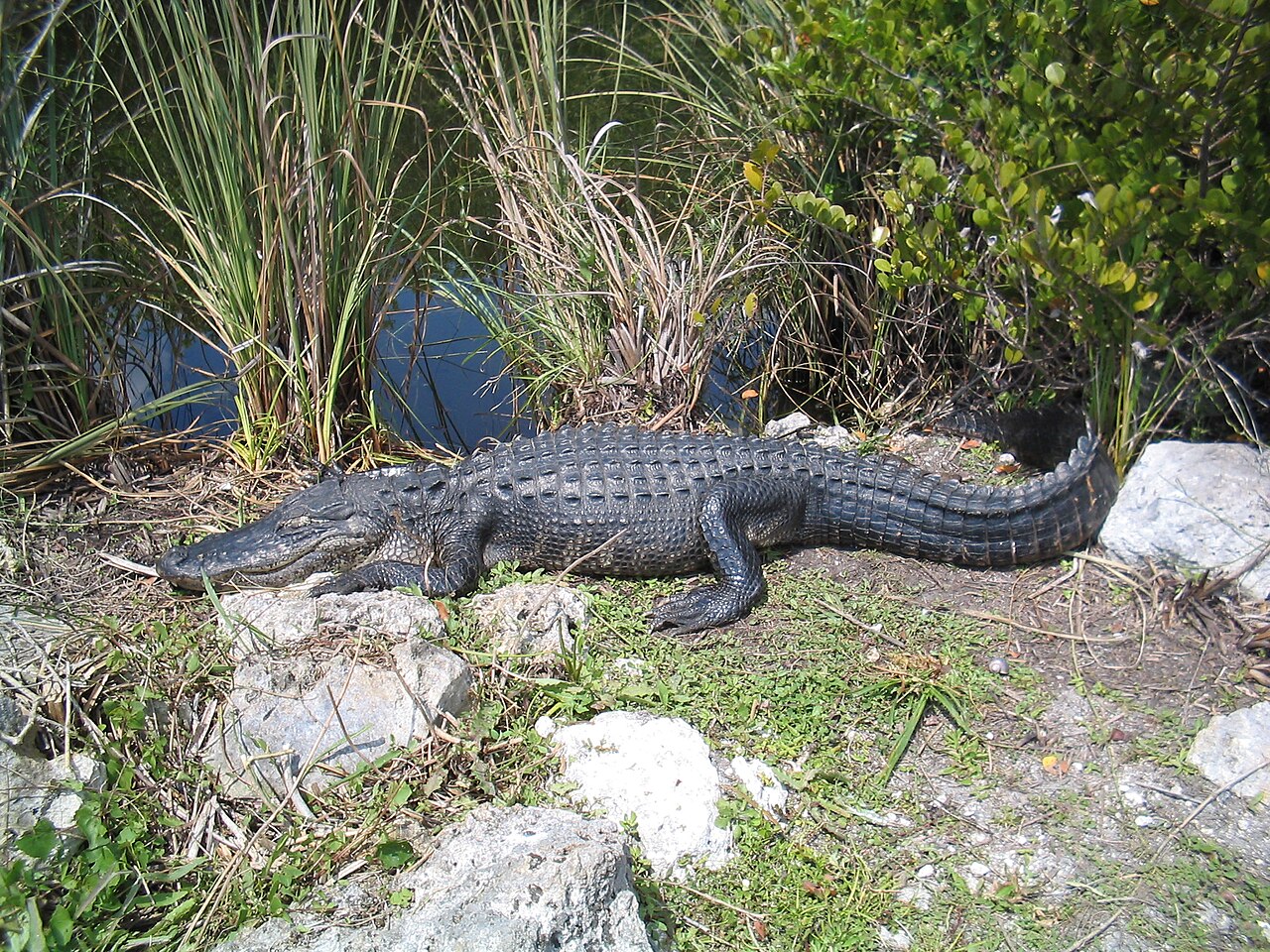
The Everglades is the only place in the world where you can see both American alligators and American crocodiles living together. Alligators have wide, rounded snouts and love fresh water, while crocodiles have narrower snouts and prefer the salty coast. You can often see them resting quietly along the trails, but visitors must always keep a safe distance.
Birds and Wildlife
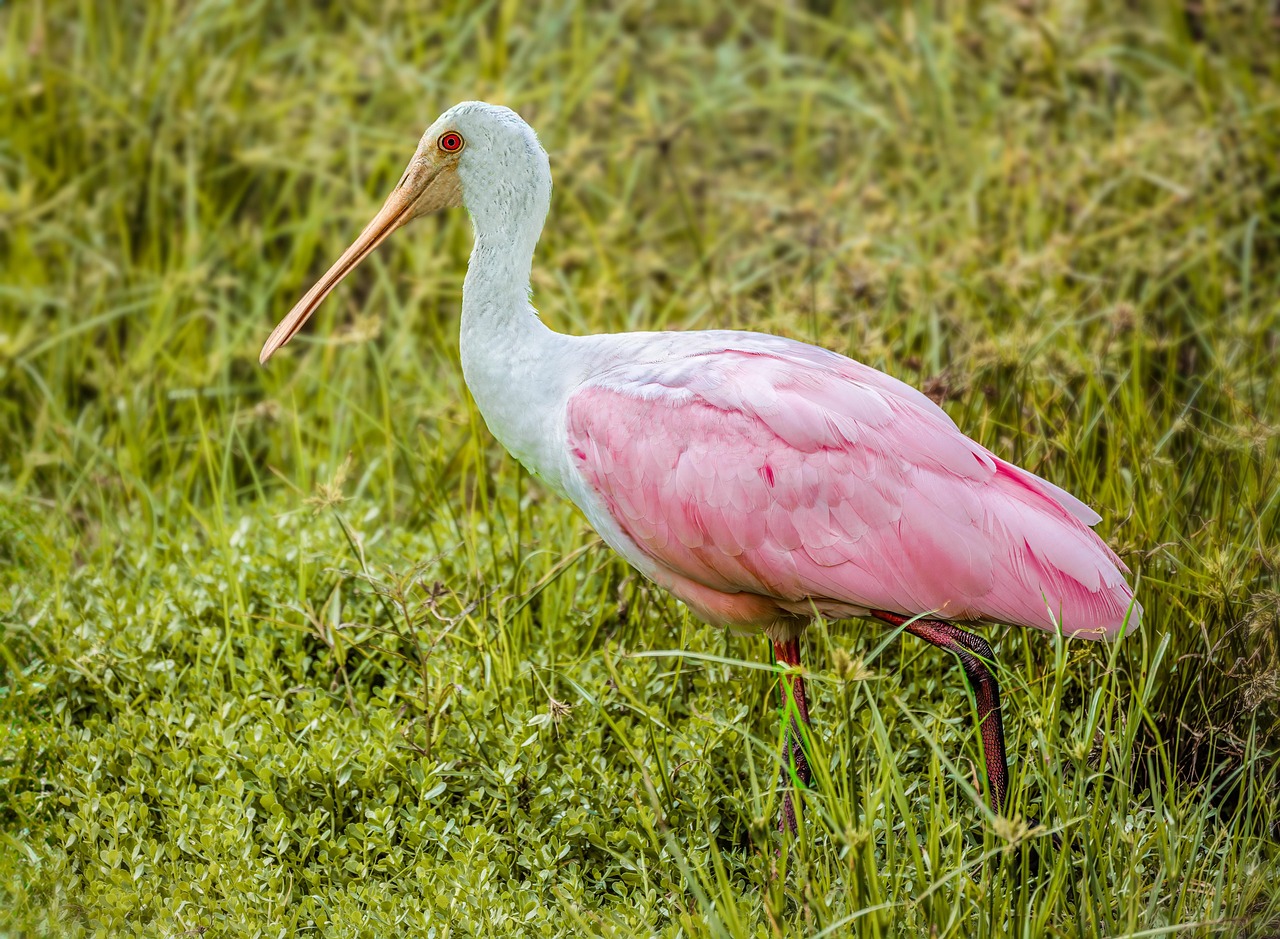
The park is a paradise for birds, with pink roseate spoonbills, tall white egrets, blue herons, and even nesting bald eagles. In the water you might spot gentle manatees, playful otters, and turtles, while the rare Florida panther prowls the deeper forest. More than 360 kinds of birds have been counted here, making it one of the best places in America for birdwatching.
Plants and Mangroves
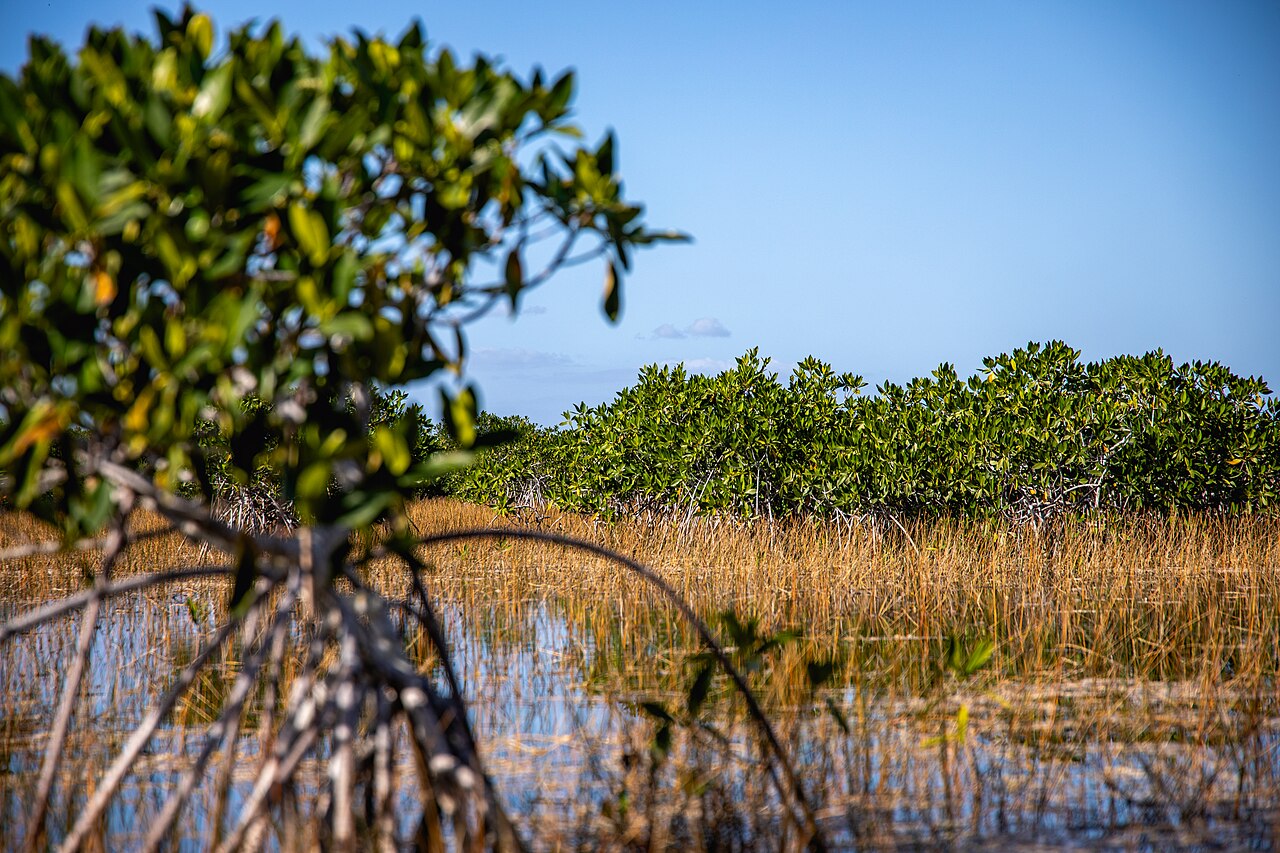
The most common plant is sawgrass, a tall grass with tiny sharp teeth along its edges that gives the River of Grass its name. Along the coast, mangrove trees grow on tangled roots that stand right in the salty water and protect the land from storms. In the tree islands you can find tropical plants, colorful air plants, and beautiful wild orchids.
Airboats and Activities
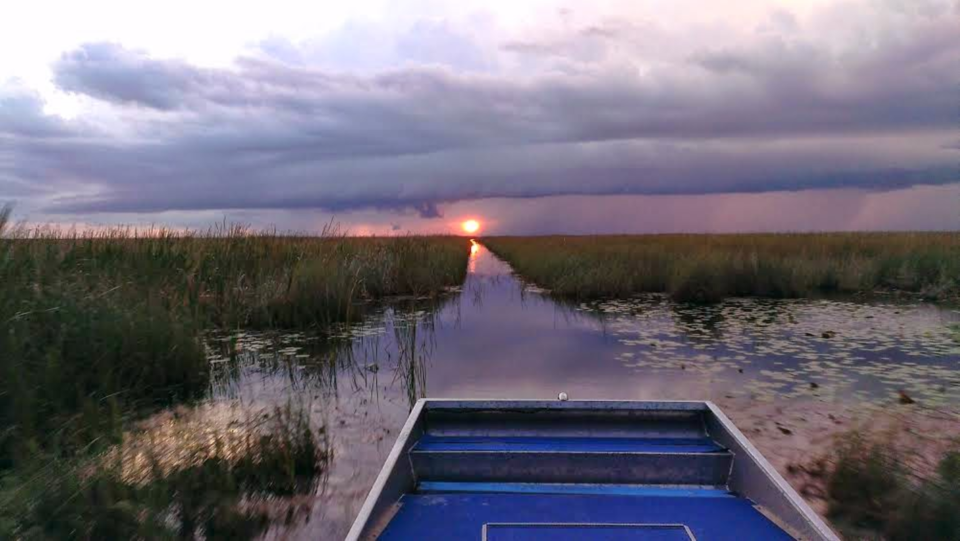
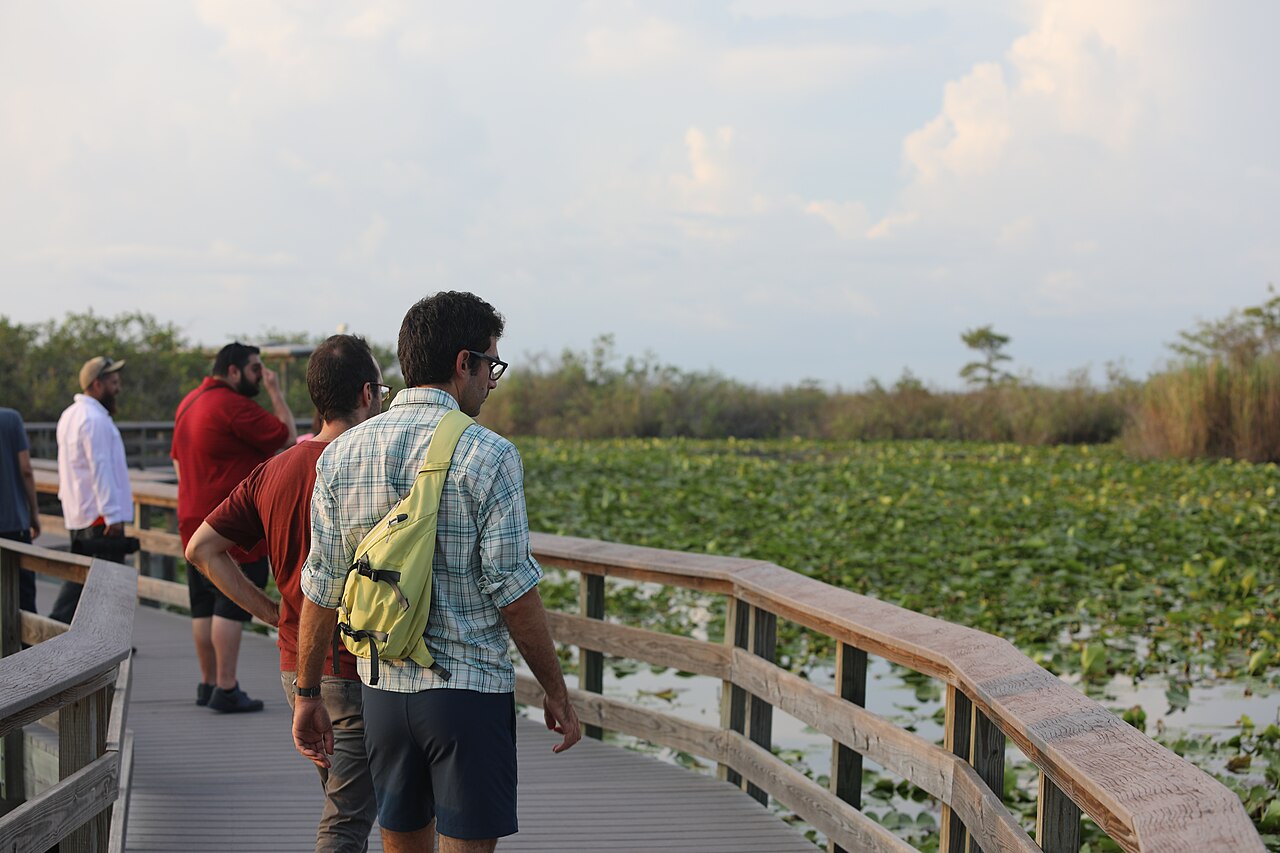
One of the most exciting things to do is ride an airboat, a flat boat pushed by a giant fan that glides quickly across the shallow marsh. Families can also walk the Anhinga Trail boardwalk to see alligators up close, paddle a kayak through mangrove tunnels, or join a ranger talk. Biking the Shark Valley loop and climbing its observation tower give a wide view over the wetland.
The Weather
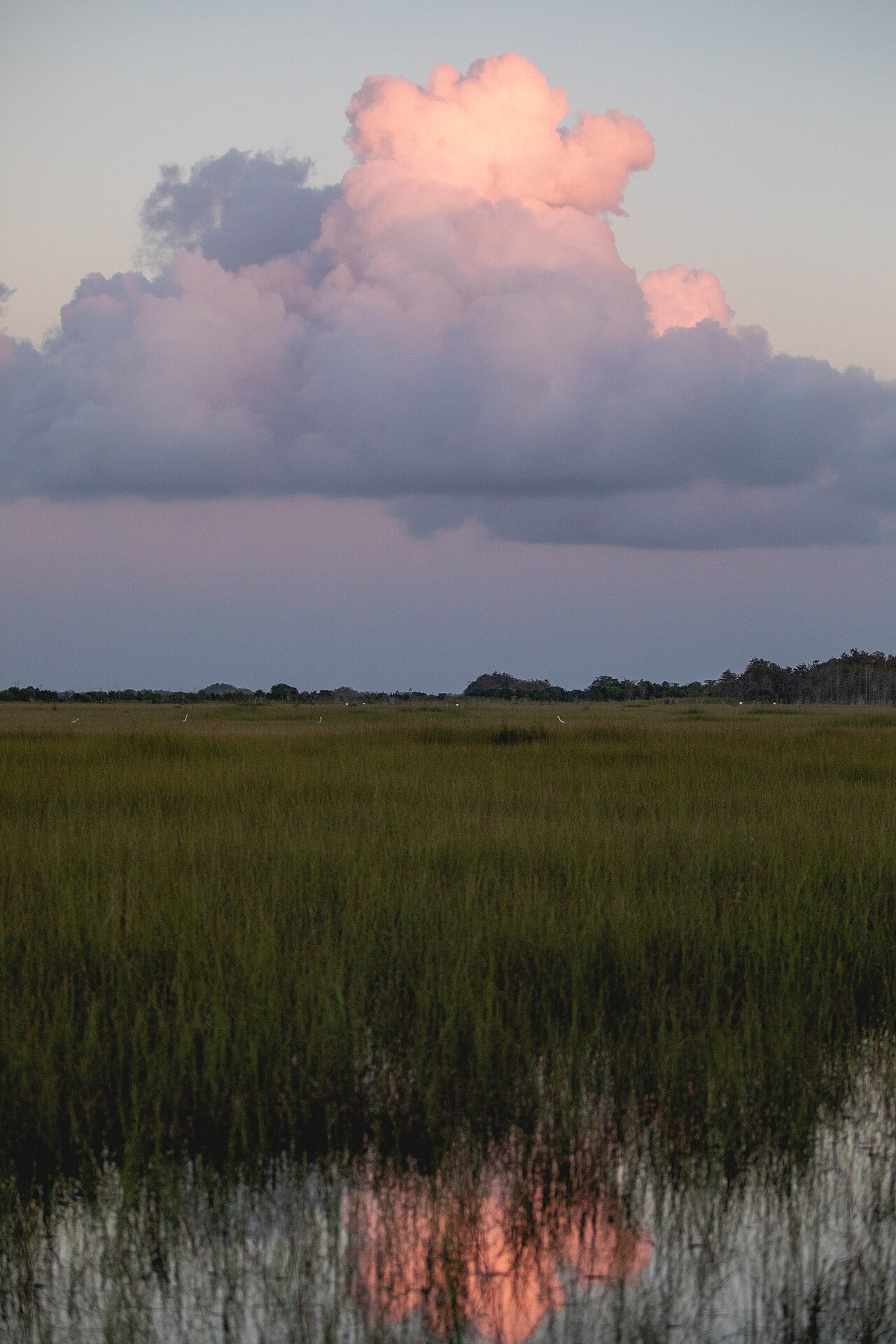
The Everglades has two seasons instead of four: a dry winter and a wet summer. The best time to visit is the dry season from December to April, when it is cooler, there are fewer mosquitoes, and animals gather around the shrinking water holes. Summer is hot, rainy, and buggy, and afternoon thunderstorms roll in almost every day.
History and Protection
Native peoples, including the Calusa and later the Seminole and Miccosukee tribes, have lived in and around the Everglades for thousands of years. In 1947 the park was created to protect the wetland, thanks in part to writer Marjory Stoneman Douglas, who called it the River of Grass. Today it is a World Heritage Site and an International Biosphere Reserve, and people work hard to restore its natural flow of water.