🐾 Great White Shark
Great White Shark
 ▶
▶
Tap a video to play it
Photos




Who it is
- Scientific name: Carcharodon carcharias
- Family & relatives: It belongs to the mackerel shark family and is closely related to the mako and salmon sharks.
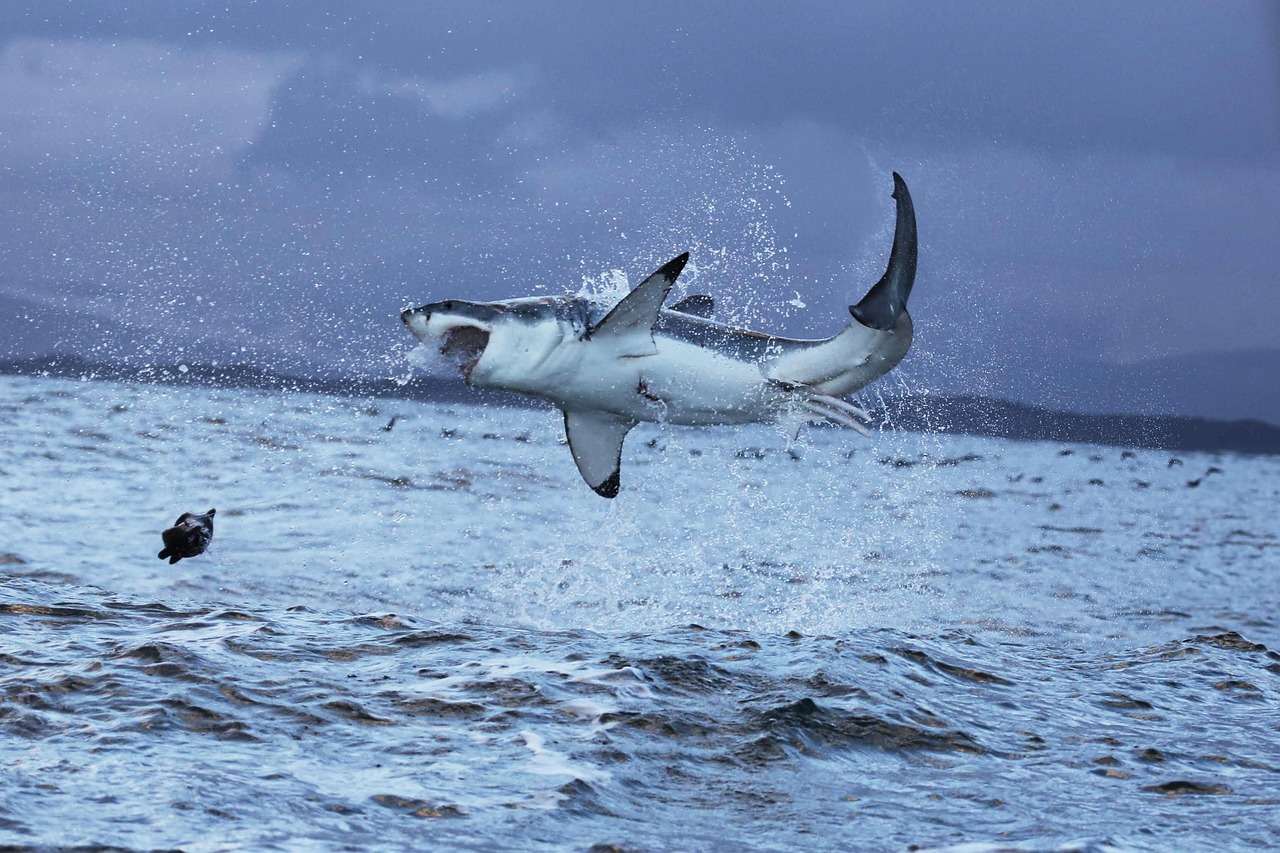
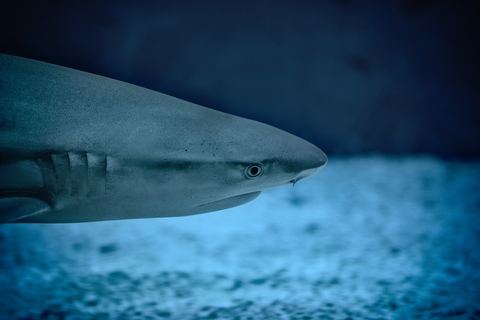
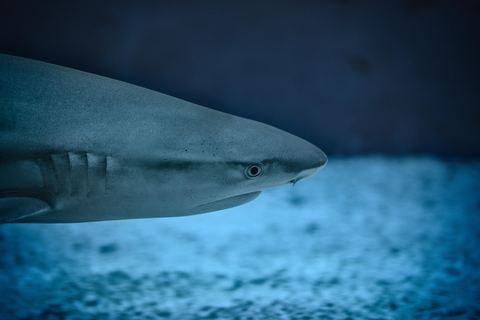
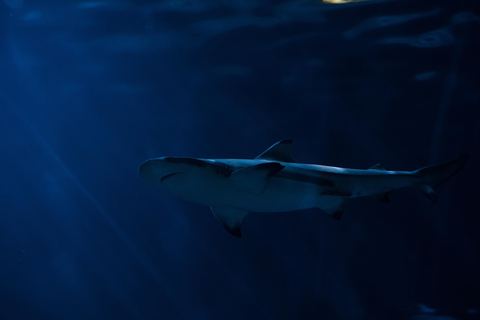
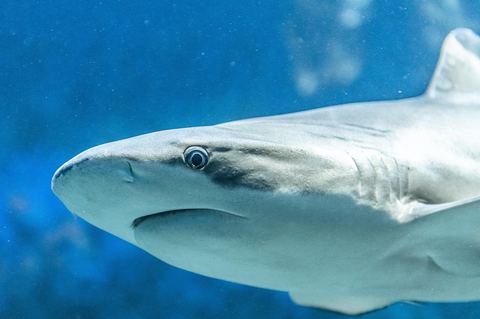
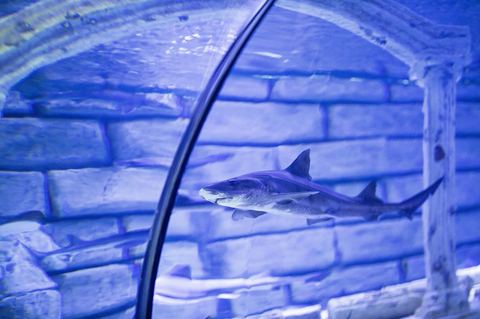
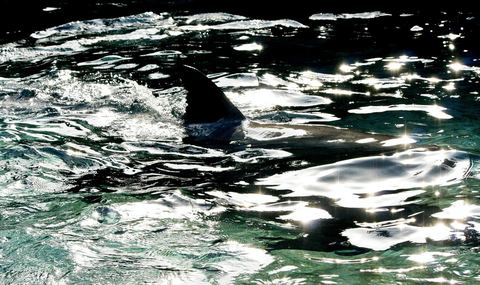
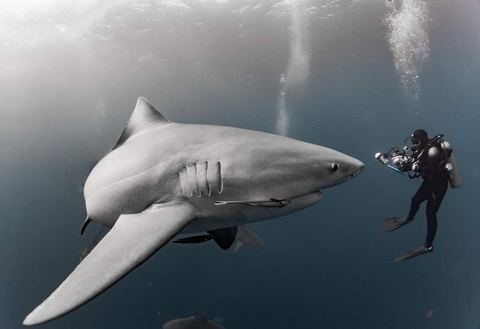
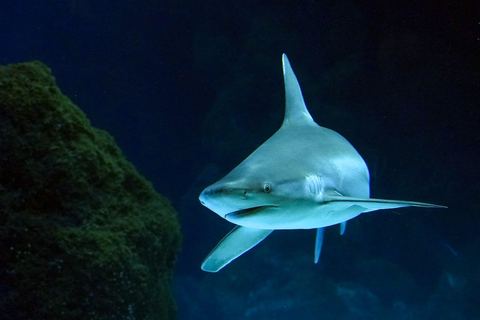
- How to spot it: Slate-gray on top and white below, with a torpedo-shaped body and a large triangular first fin.
Its body & abilities
- Size: Adults commonly reach 4 to 6 meters long, and the largest verified individuals approach 6 meters.
- Weight: Large adults can weigh over 1,000 kilograms, and some females reach around 2,000 kilograms.
- Body & adaptations: It has rows of serrated, replaceable teeth and a partly warm-blooded body that helps its muscles work fast.
- Top speed: It can burst to about 40 kilometers per hour in short chases.
- Strength: Its bite is one of the strongest of any fish, powered by huge jaw muscles.
- Senses: It smells blood from far away and senses tiny electric signals from hidden prey using special pores.
- Growing up: Pups are born live and swim away ready to hunt, growing slowly over many years.
Where it lives
- Habitat: It lives in cool and temperate coastal seas, often near seal colonies.
- Where in the world: Found around the world, with hotspots off South Africa, Australia, California, and Mexico.
- Territory: It roams huge distances rather than defending one spot, following food and warm-water routes.
What it eats
- Diet: It is a carnivore that eats seals, sea lions, fish, and other sharks.
- Favorite foods: Young sharks eat fish and rays, while adults prefer fatty marine mammals.
- How it hunts: It attacks from below with a fast surprise rush toward the surface.
How it behaves
- How it moves: It swims by sweeping its strong tail side to side while its fins steer.
- When it is active: It hunts most around dawn and moves between coastal feeding and open-ocean travel.
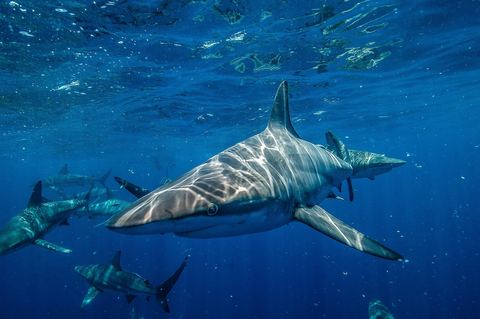
- Family life: It usually travels alone but may gather where food is plentiful, with a loose pecking order.
- How it talks: Sharks signal each other with body posture and movements rather than sound.
- Babies: Females carry their young inside the body and give birth to a few large, well-developed pups.
Its place in nature
- Role in nature: As a top predator it keeps seal and fish populations healthy and balanced.
- Conservation: It is listed as Vulnerable, threatened by fishing, bycatch, and slow reproduction.
- Dangers: Adults have almost no natural predators except larger sharks and orcas.
Life & legacy
- How long it lives: It can live 70 years or more.
- In our culture: It is one of the most famous and feared sharks in movies and stories, though attacks on people are rare.
- Where to see it: People watch them safely from cage-diving boats in South Africa, Australia, and Guadalupe Island in Mexico.
- Fun fact: A great white can grow and lose thousands of teeth over its lifetime.
Video: Pixabay · Photos: Wikimedia Commons & Pixabay