🐾 Shrimp
Shrimp
 ▶
▶
Tap a video to play it
Photos





Who it is
- Scientific name: Suborder Dendrobranchiata and infraorder Caridea
- Family & relatives: Shrimp are small crustaceans, related to crabs, lobsters, and prawns.
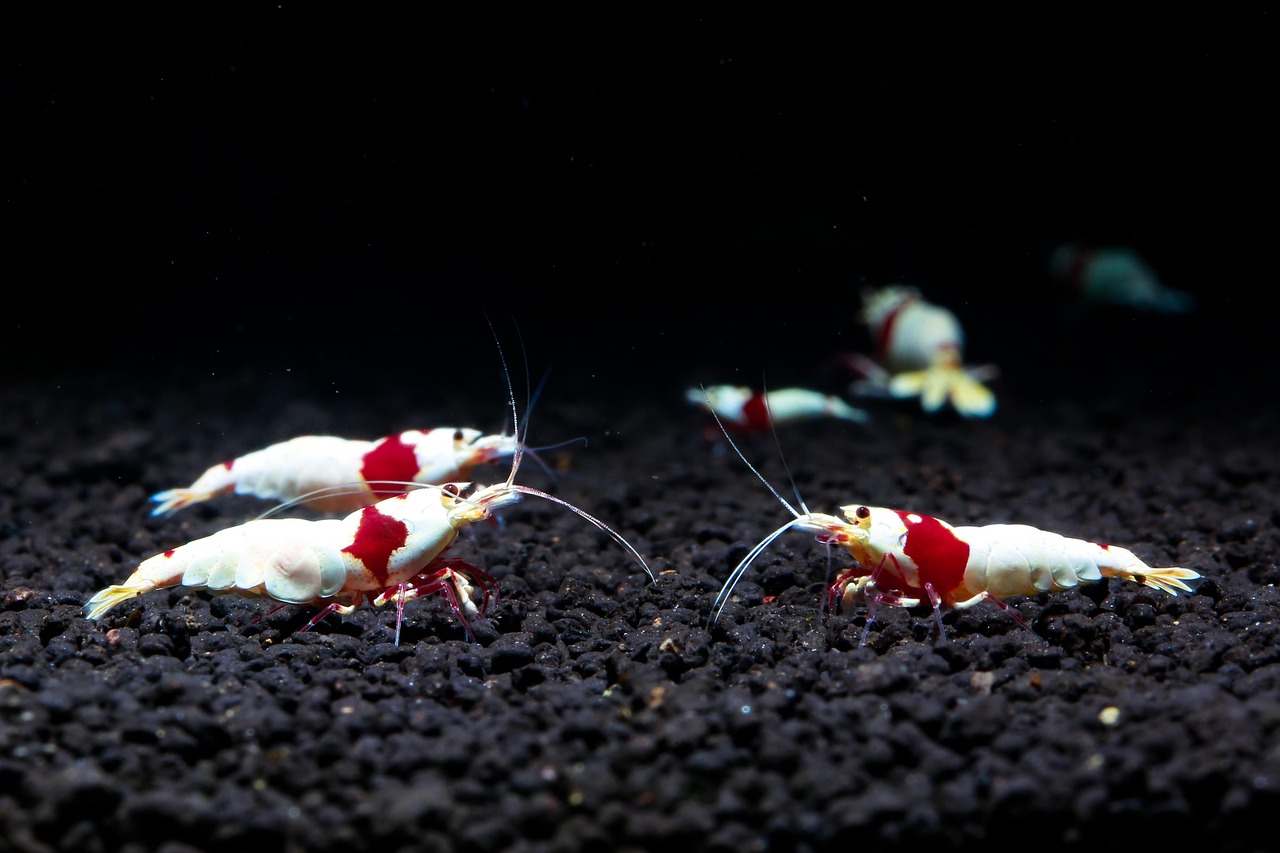
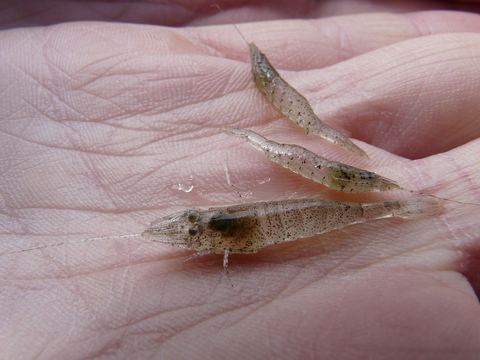
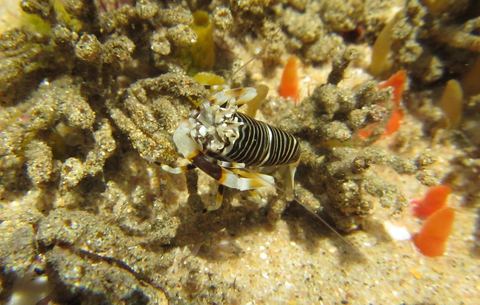
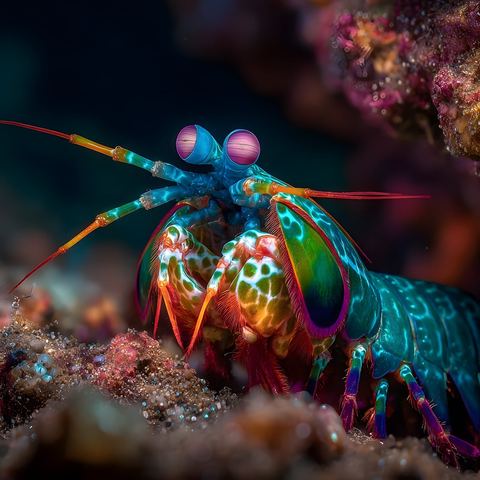
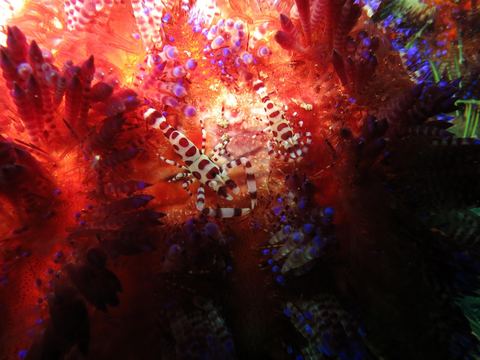
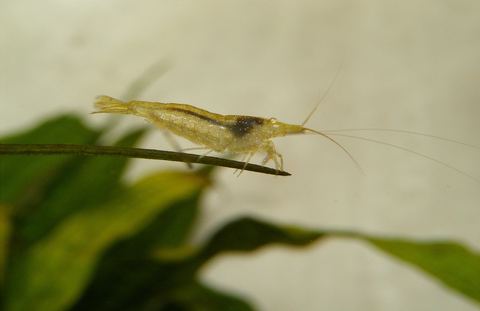
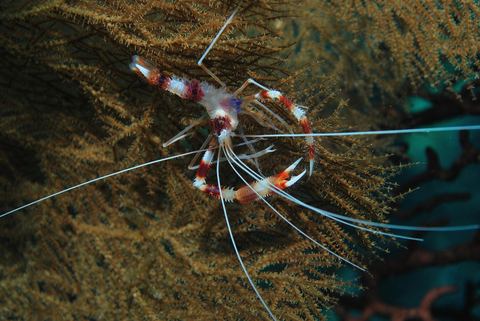
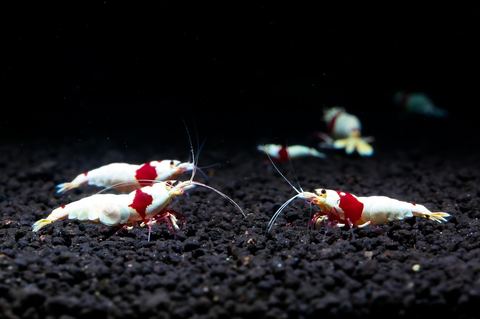
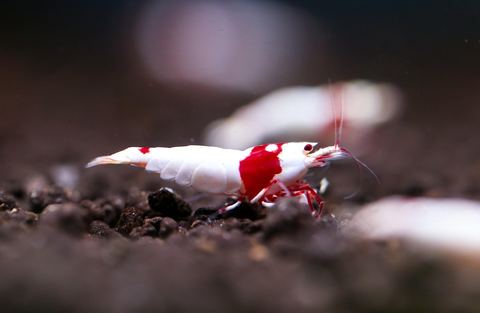
- How to spot it: A shrimp has a slim, curved body, a fan tail, long thin antennae, and many small legs.
Its body & abilities
- Size: Most shrimp are just an inch or two long, though some tropical prawns grow much larger.
- Weight: Shrimp are very light, usually weighing only a fraction of an ounce.
- Body & adaptations: A shrimp has a thin outer shell, a segmented body, ten legs, and swimming legs under its tail called swimmerets.
- Top speed: Shrimp can flick their tail to dart backward quickly and escape danger.
- Strength: Pistol shrimp snap a special claw so fast it makes a loud pop that can stun small prey.
- Senses: Shrimp have compound eyes and use their long antennae to feel and smell their surroundings.
- Growing up: Shrimp hatch from eggs as tiny larvae that drift as plankton before growing into adults.
Where it lives
- Habitat: Shrimp live on sandy and muddy sea bottoms, among plants, and near coral reefs; some live in fresh water.
- Where in the world: Shrimp are found in oceans and fresh waters all over the world.
- Territory: Most shrimp roam freely, but cleaner shrimp keep a station on the reef where fish come to be cleaned.
What it eats
- Diet: Most shrimp are omnivores and scavengers that eat tiny bits of food from the water and sea floor.
- Favorite foods: They eat algae, plankton, tiny worms, and bits of dead plants and animals.
- How it hunts: Shrimp pick up food with their small front legs and sift particles from the sand and water.
How it behaves
- How it moves: Shrimp swim gently with their swimmerets and dart backward by snapping their tail.
- When it is active: Many shrimp hide during the day and feed at night.
- Family life: Shrimp often gather in large groups, and some snapping shrimp even live in colonies like insects.
- How it talks: Cleaner shrimp wave their antennae to invite fish, and pistol shrimp signal with loud claw snaps.
- Babies: Females release or carry many eggs that hatch into free-floating larvae.
Its place in nature
- Role in nature: Shrimp are a key food for countless fish, whales, and birds, and they help recycle the ocean's waste.
- Conservation: Wild shrimp are widely fished, and some fishing and shrimp farming can harm habitats like mangroves.
- Dangers: Shrimp are eaten by almost every ocean predator, from small fish to giant whales.
Life & legacy
- How long it lives: Most shrimp live only one to a few years.
- In our culture: Shrimp is one of the most popular seafoods in the world, eaten in countless dishes.
- Where to see it: Spot shrimp in tide pools, in aquariums, and while snorkeling near reefs and sea grass.
- Fun fact: The pistol shrimp's snapping claw makes a bubble so hot it briefly flashes light underwater.
Video: Pixabay · Photos: Wikimedia Commons & Pixabay