🐾 Lobster
Lobster
 ▶
▶
Tap a video to play it
Photos




Who it is
- Scientific name: Family Nephropidae
- Family & relatives: Lobsters are crustaceans, related to crabs, shrimp, and crayfish.
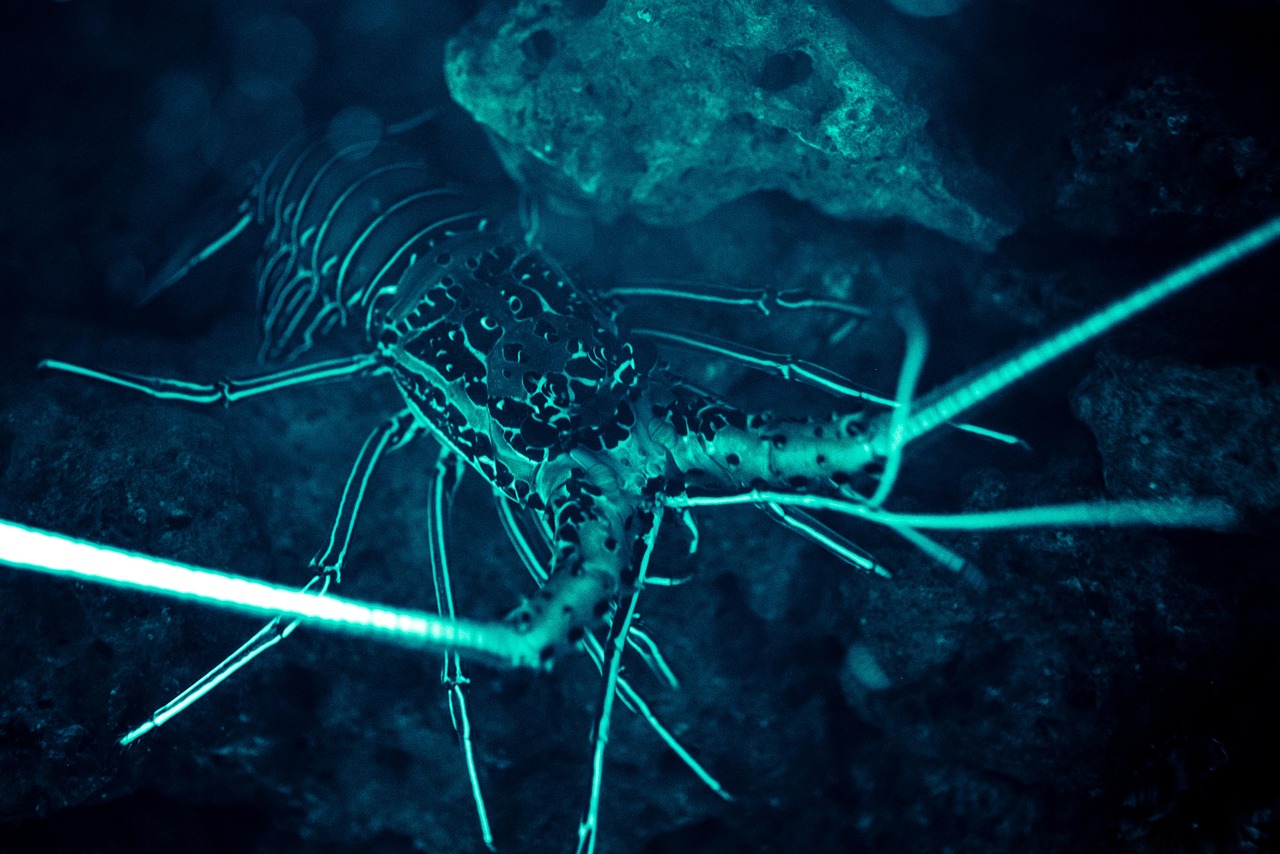
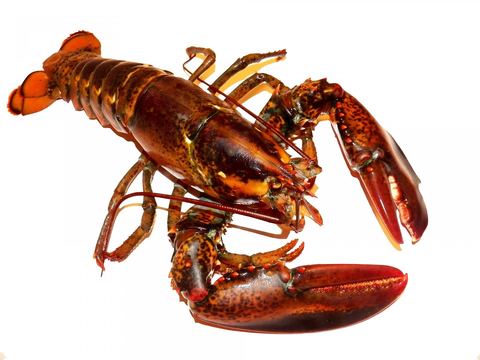
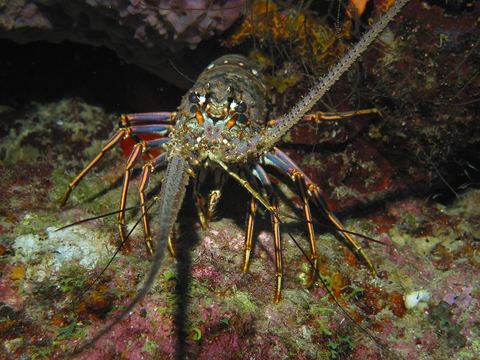
- How to spot it: A lobster has a long body, a fan-shaped tail, long antennae, and two large front claws.
Its body & abilities
- Size: American lobsters commonly reach one to two feet long and are among the largest crustaceans.
- Weight: Most lobsters weigh one to three pounds, but the biggest ever recorded weighed over forty pounds.
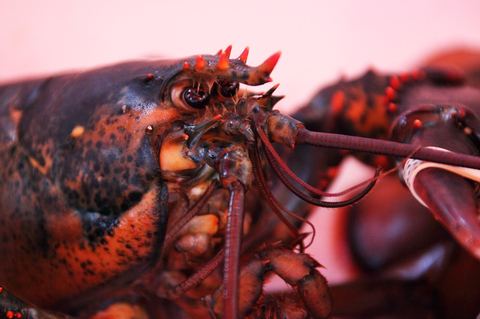
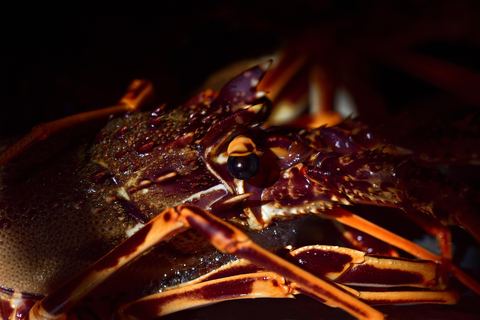
- Body & adaptations: A lobster has a hard shell, ten legs, two different claws (a crusher and a pincer), and eyes on stalks.
- Top speed: A lobster walks slowly on the sea floor but can shoot backward fast by snapping its powerful tail.
- Strength: Its big crusher claw can break open clams and snail shells with a strong grip.
- Senses: Lobsters smell and taste with their antennae and leg hairs, and their eyesight is poor.
- Growing up: Lobsters hatch as floating larvae, drift near the surface, then settle to the bottom and molt as they grow.
Where it lives
- Habitat: Lobsters live on rocky and sandy sea floors, hiding in cracks and burrows.
- Where in the world: Clawed lobsters live in cold Atlantic waters, while spiny lobsters live in warmer seas worldwide.
- Territory: Lobsters defend their rocky shelters and often fight other lobsters for the best hiding spots.
What it eats
- Diet: Lobsters are omnivores that scavenge and hunt along the sea floor.
- Favorite foods: They eat fish, clams, mussels, snails, crabs, worms, and sometimes sea plants.
- How it hunts: A lobster grabs prey with its claws and crushes hard shells before eating the soft insides.
How it behaves
- How it moves: Lobsters walk forward on their legs and escape by flipping their tail to swim backward.
- When it is active: Lobsters are mostly nocturnal, coming out at night to search for food.
- Family life: Lobsters usually live alone and can be aggressive toward one another.
- How it talks: Lobsters squirt chemical signals from below their eyes to tell each other who is who.
- Babies: A female carries thousands of eggs under her tail for months until they hatch into the sea.
Its place in nature
- Role in nature: Lobsters help clean the sea floor and are prey for fish, seals, and people.
- Conservation: Lobster fisheries are managed with size limits, but overfishing and warming seas are concerns.
- Dangers: Young lobsters are eaten by many fish, and lobsters are most vulnerable while their new shell is still soft after molting.
Life & legacy
- How long it lives: Lobsters grow slowly and can live for decades, with some estimated to reach a hundred years.
- In our culture: Once fed to prisoners, lobster is now a prized seafood served in restaurants worldwide.
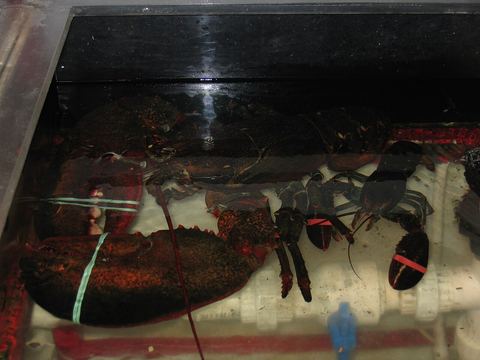
- Where to see it: See lobsters at seafood markets, aquariums, and rocky coasts during a low-tide walk.
- Fun fact: A lobster keeps growing its whole life and grows a new shell each time it outgrows the old one.
Video: Pixabay · Photos: Wikimedia Commons & Pixabay