🐾 Burmese Cat
Burmese Cat
Photos





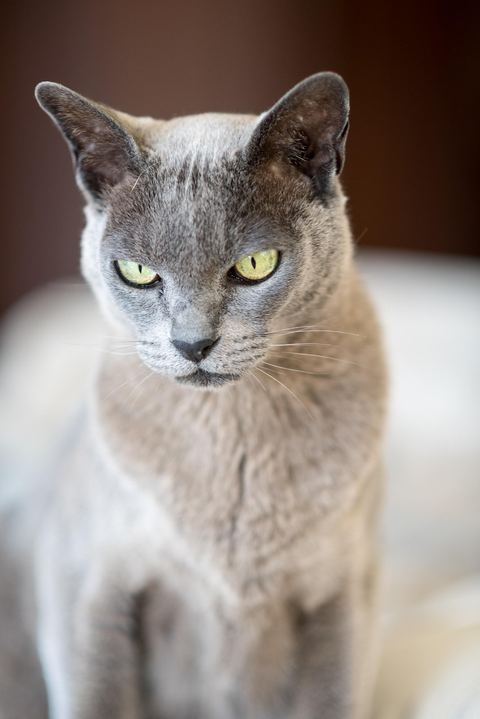
Who it is
- Scientific name: Felis catus
- Family & relatives: A domestic cat breed in the family Felidae, related to all house cats and, more distantly, to lions and tigers.
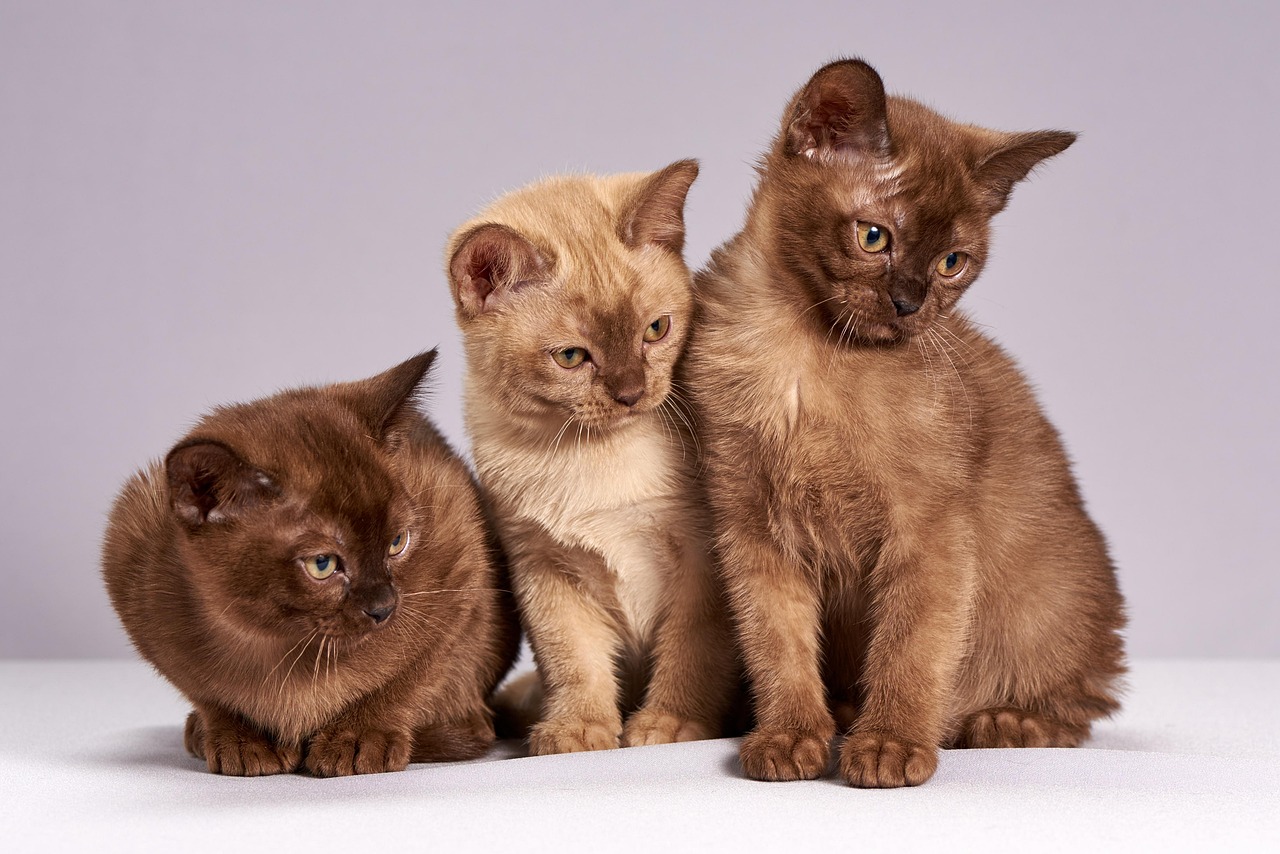
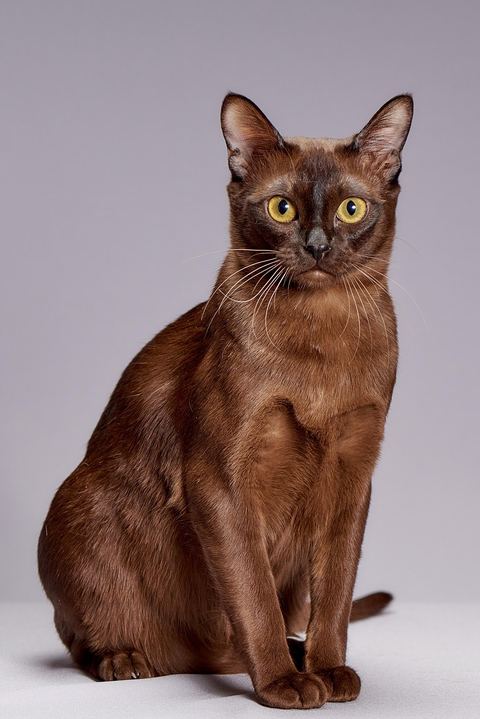
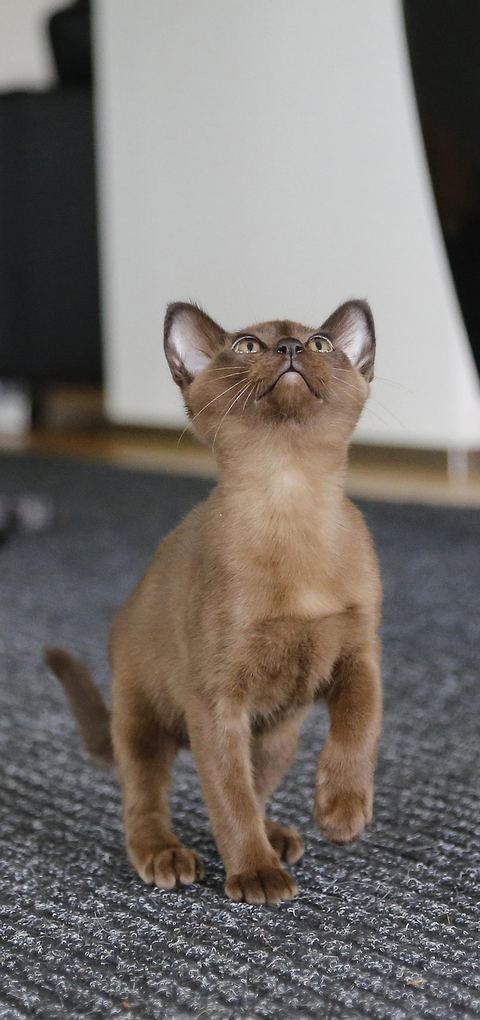
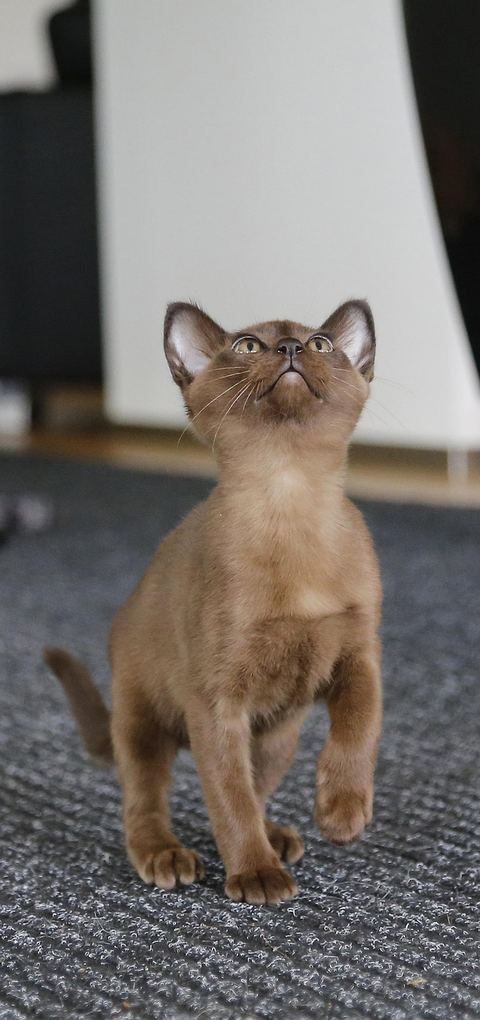
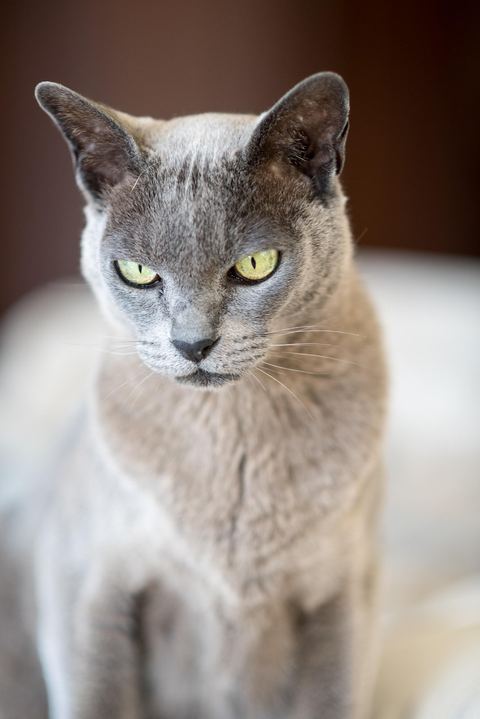
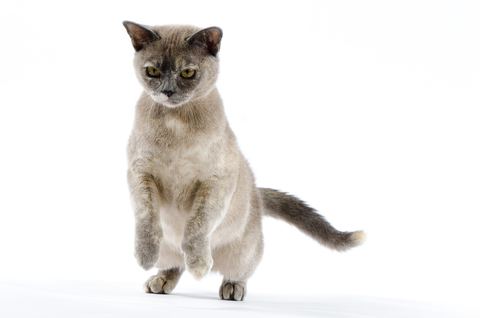
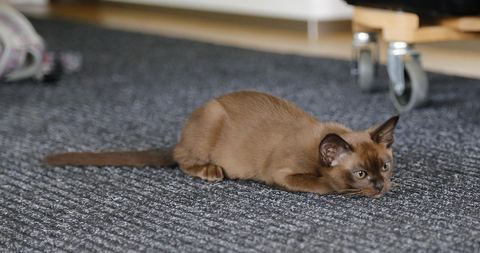
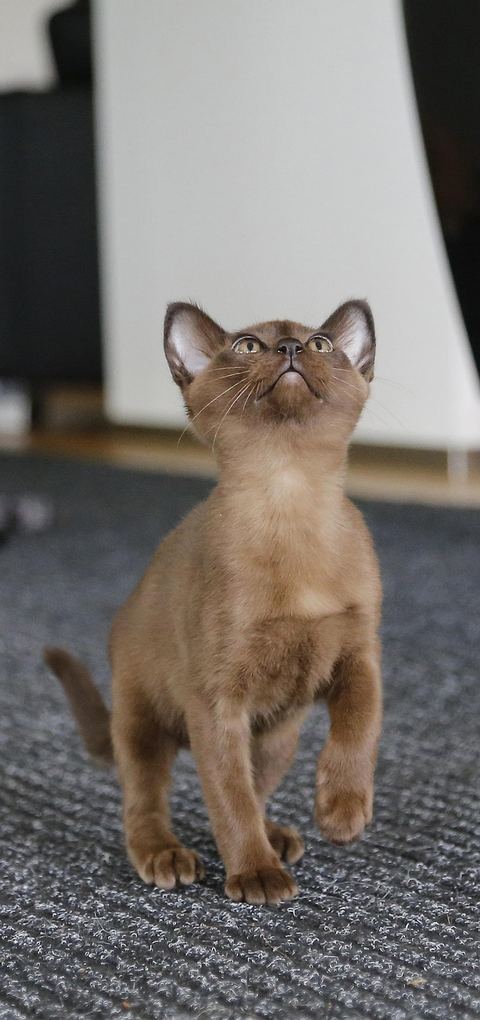
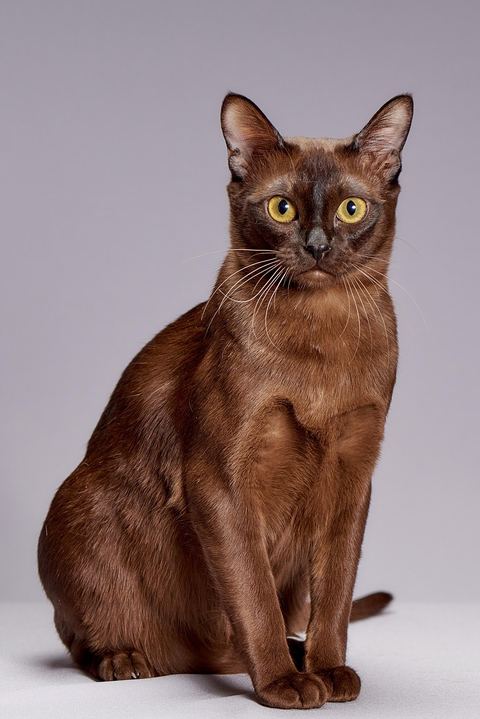
- How to spot it: A sleek, muscular cat with a rounded head, big golden eyes, and a short shiny coat, often a warm sable brown.
Its body & abilities
- Size: A small-to-medium cat, about 25 to 35 cm tall at the shoulder.
- Weight: Usually about 3.5 to 6 kg (8 to 13 lb), heavier than it looks.
- Body & adaptations: It has soft padded paws with retractable claws, sharp teeth for meat, and flexible bones for jumping and twisting.
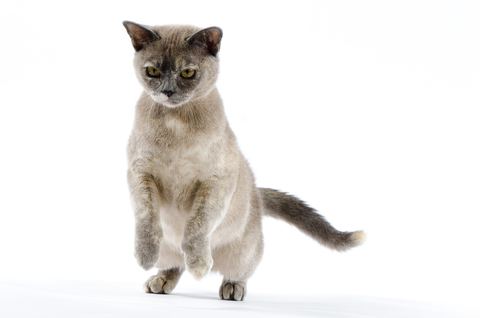
- Top speed: Quick and nimble in short bursts, sprinting after toys at around 30 km/h.
- Strength: Strong for its size, it can leap several times its own length and land softly on its feet.
- Senses: Excellent night vision, sharp hearing, and sensitive whiskers that help it feel its way in the dark.
- Growing up: Kittens are born tiny with eyes closed, open them in about a week, and grow playful and independent within months.
Where it lives
- Habitat: A house pet that lives happily in homes, curling up on laps, beds, and warm sunny windowsills.
- Where in the world: Kept as a beloved pet worldwide; the breed traces back to a cat brought from Burma (Myanmar) to America.
- Territory: Home-loving and affectionate, it treats its house and family as its own cozy territory.
What it eats
- Diet: A meat-eating carnivore; pet Burmese cats eat balanced cat food and always need fresh water.
- Favorite foods: Good-quality cat food made from meat and fish, given in small regular meals.
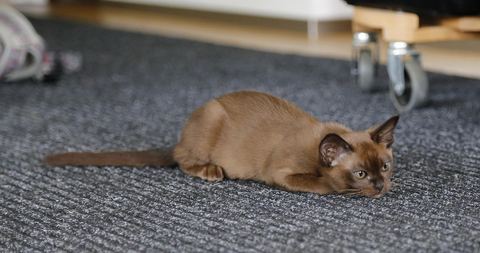
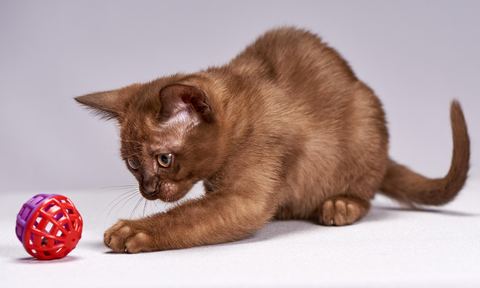
- How it hunts: It loves to stalk and pounce on toys, showing the same hunting play that wild cats use.
How it behaves
- How it moves: Walks on soft toe pads, climbs, jumps, and squeezes through gaps with graceful ease.
- When it is active: Playful in the morning and evening and a champion napper, sleeping much of the day.
- Family life: One of the most people-loving cat breeds, often following its family from room to room like a friendly shadow.
- How it talks: Chatty and sweet-voiced, it purrs, meows softly, and rubs against people to show love.
- Babies: After about a nine-week pregnancy the mother cat has a litter of around four kittens and nurses them with care.
Its place in nature
- Role in nature: As a companion animal it brings comfort and joy; indoors it has no wild predators to worry about.
- Conservation: Not a wild species, so it is not on conservation lists; the breed is kept safe by caring owners and breeders.
- Dangers: Indoor cats live longest; keeping them safe from cars, cold, and illness helps them thrive.
Life & legacy
- How long it lives: A long-lived breed, often reaching about 16 to 18 years with good care.
- In our culture: Prized for its sweet, dog-like devotion, the Burmese is one of the friendliest of all cat breeds.
- Where to see it: In loving homes and at cat shows, where its shiny coat and golden eyes always draw admirers.
- Fun fact: Burmese cats are famous for being so friendly that they often greet visitors right at the door.
Video: Pixabay · Photos: Wikimedia Commons & Pixabay