🐾 Abyssinian Cat
Abyssinian Cat
Photos
Who it is
- Scientific name: Felis catus
- Family & relatives: A domestic cat breed like all house cats; its wild ancestor is the African wildcat, and it is cousin to breeds such as the Somali and the American Shorthair.
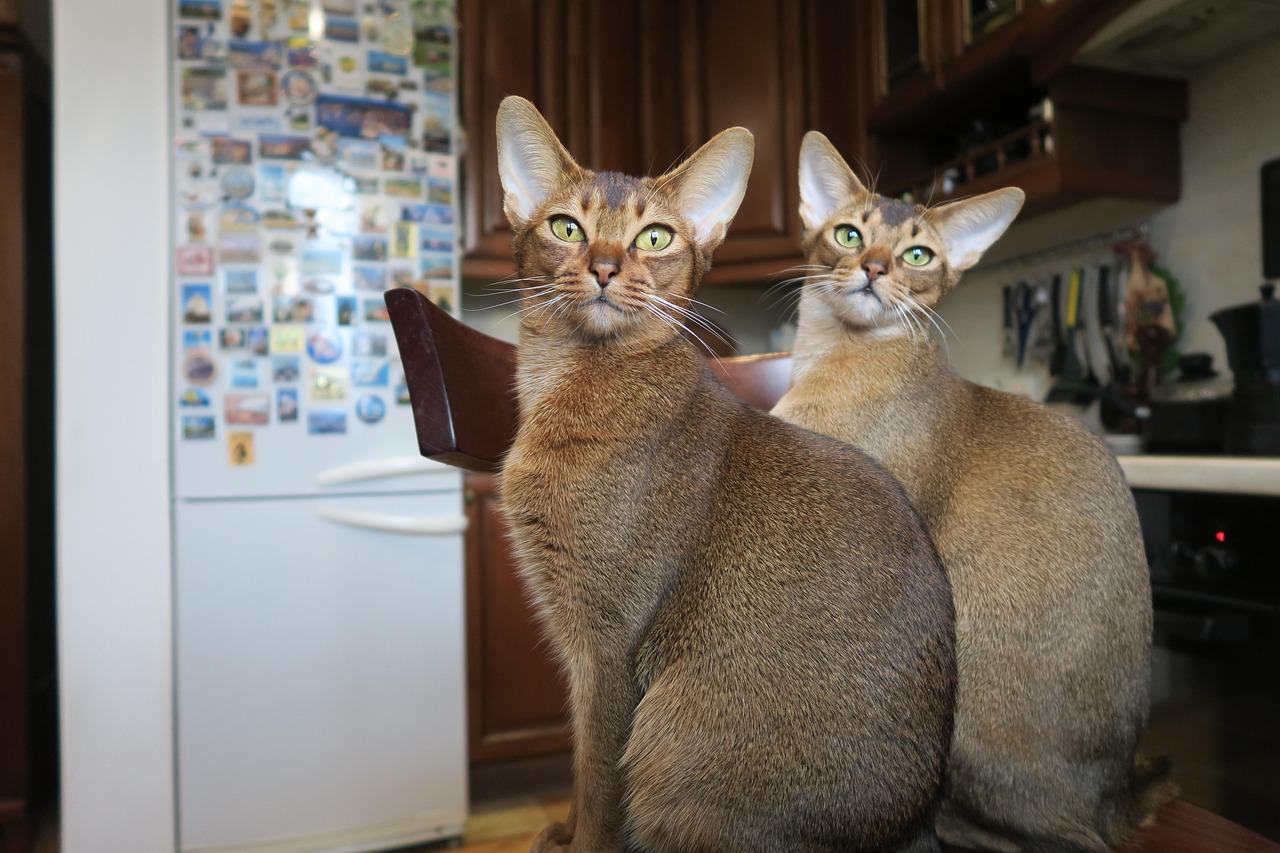
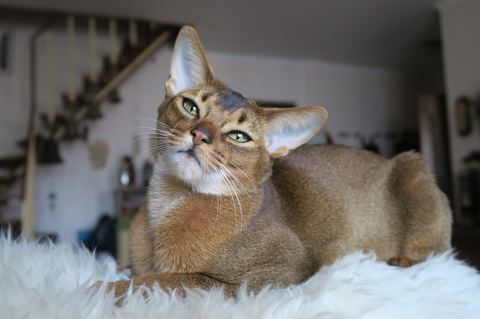
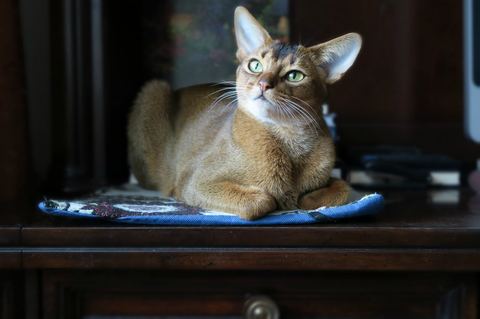
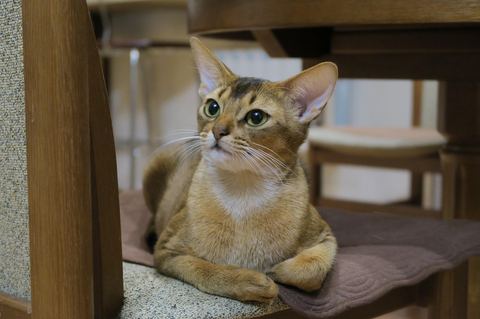
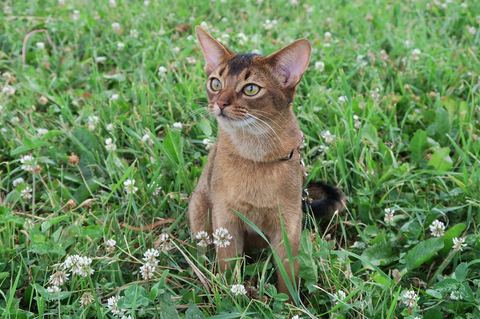
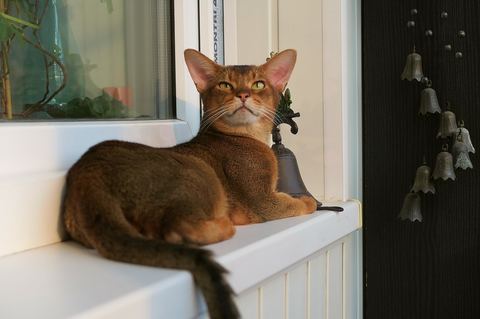
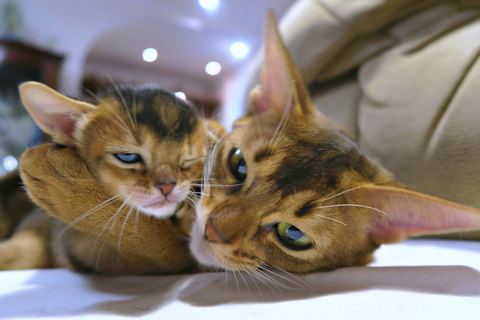
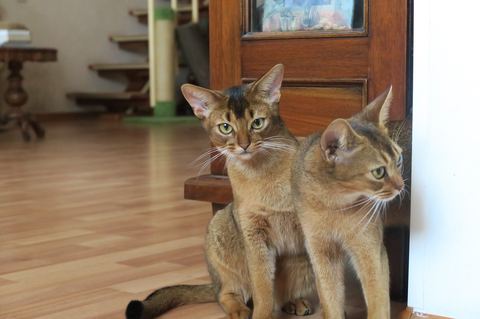
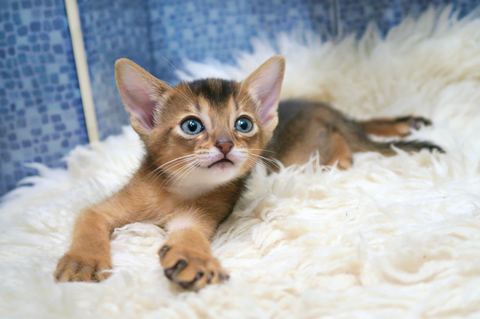
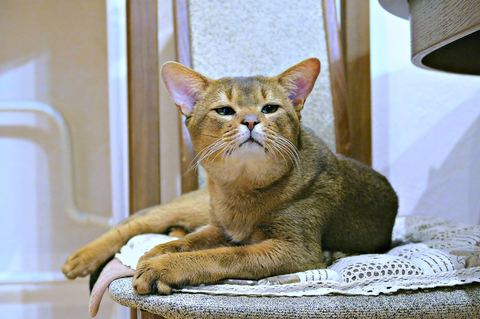
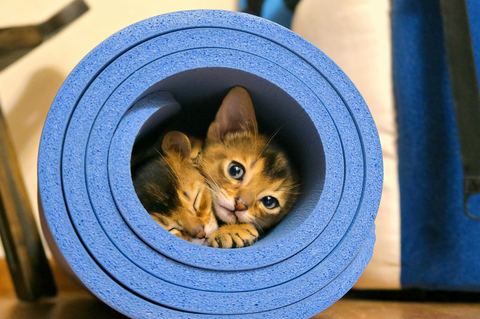
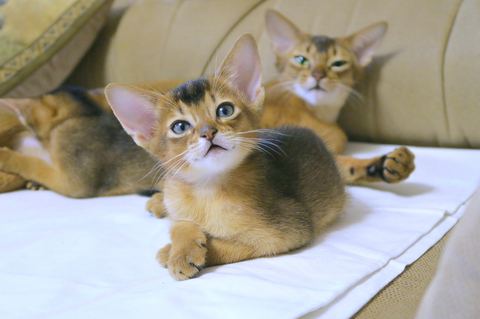
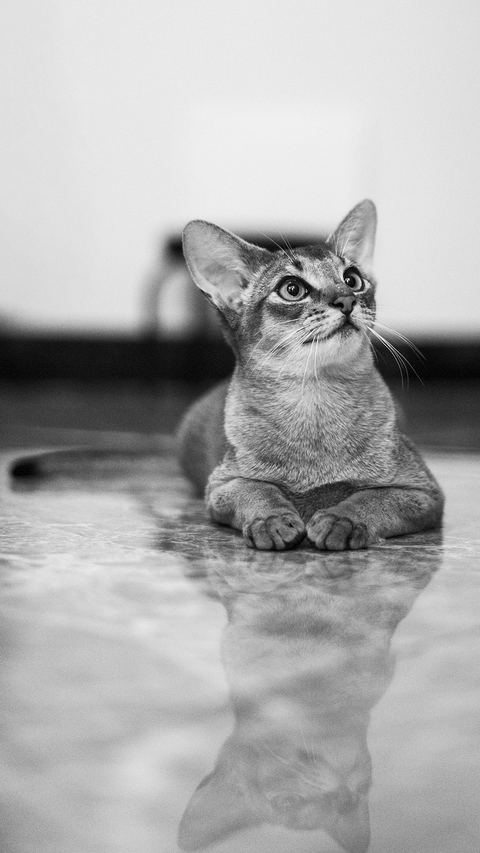
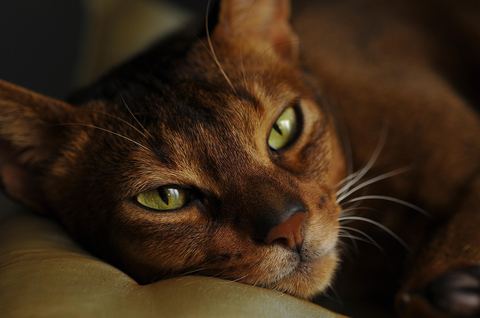
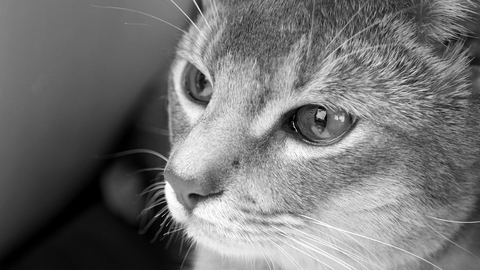
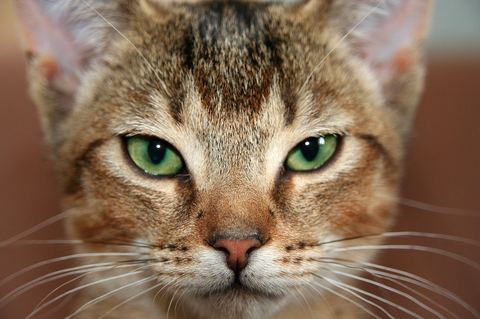
- How to spot it: A slender, elegant cat with big almond eyes, large pointed ears, and a warm ticked coat where each hair has bands of color.
Its body & abilities
- Size: A medium cat about 20 to 30 cm tall at the shoulder with a long graceful body.
- Weight: Usually about 3 to 5 kg (6 to 11 lb).
- Body & adaptations: Its fine 'ticked' coat, long legs, and springy muscles make it look like a little wild cat ready to leap.
- Top speed: Quick and agile, a healthy Abyssinian can sprint and jump with great bursts of energy.
- Strength: Not a strong animal but very athletic, known as a lively 'climb everything' cat that loves high shelves.
- Senses: Sharp night vision, keen hearing, and a good sense of smell, like all cats.
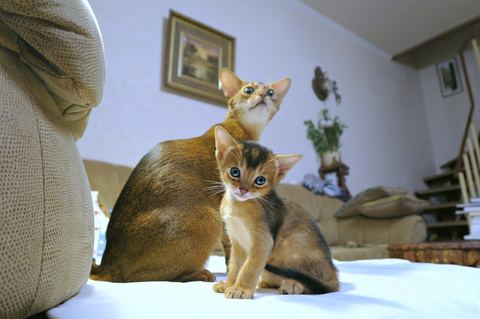
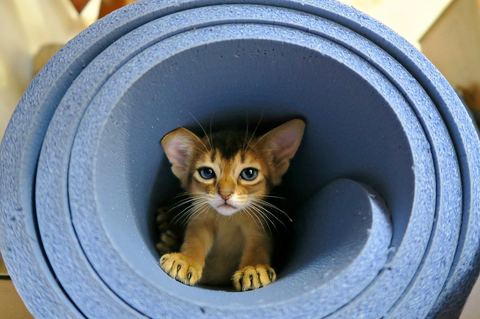
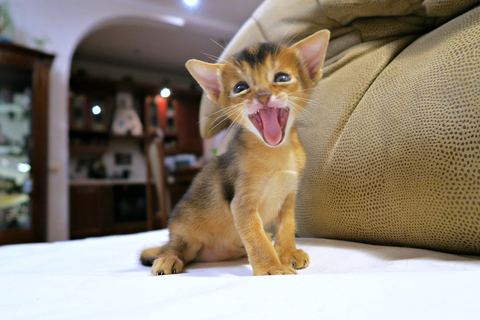
- Growing up: Kittens are born tiny with closed eyes, open them in about a week, and grow into playful adults by about a year.
Where it lives
- Habitat: A house pet that lives happily indoors with people, enjoying cozy homes with room to climb.
- Where in the world: Kept as a pet worldwide; the breed's name points to old stories linking it to Ethiopia (once called Abyssinia).
- Territory: Like most cats it feels its home and favorite rooms are its own space and likes to patrol them.
What it eats
- Diet: A carnivore fed proper cat food; it needs meat-based meals and fresh water every day.
- Favorite foods: Balanced cat food, both wet and dry, that gives the protein a cat needs to stay healthy.
- How it hunts: It keeps a strong play-and-pounce instinct, chasing toys, feathers, and balls just like its ancestors chased mice.
How it behaves
- How it moves: Walks, runs, leaps, and climbs with light, graceful steps and loves to be up high.
- When it is active: Active and curious by day, with playful bursts, then long cozy naps in warm spots.
- Family life: Very friendly and people-loving; it enjoys company and is sometimes called the clown of the cat world.
- How it talks: 'Talks' with soft chirps, gentle meows, purring, and lots of body language like tail and ear signals.
- Babies: A mother cat carries her kittens about nine weeks and then gives birth to a small litter she nurses and cleans.
Its place in nature
- Role in nature: A beloved companion animal that gives people friendship, play, and comfort at home.
- Conservation: Domestic breed, not a wild species, so it is not tracked on wildlife conservation lists.
- Dangers: Stays healthiest with vet checkups, a good diet, and safe indoor living away from cars and dangers.
Life & legacy
- How long it lives: Often lives about 12 to 15 years, and many reach their late teens with good care.
- In our culture: One of the oldest-looking cat breeds, its regal 'ancient Egyptian' looks make it a favorite in art and cat shows.
- Where to see it: In loving homes and at cat shows, where its ticked coat and lively charm win many fans.
- Fun fact: Abyssinians love water play and are famous for perching on the highest shelf in the house to watch everything.
Video: Pixabay · Photos: Wikimedia Commons & Pixabay